Kratom Vapes: Can You Vape Kratom?
KRATOM VAPES: CAN YOU VAPE KRATOM?

In recent years, vaping has become one of the most talked-about wellness and lifestyle trends, from nicotine and CBD to a growing number of herbal extracts. Naturally, some people have started asking: can you vape kratom?
Kratom, a botanical derived from the Mitragyna speciosa tree native to Southeast Asia, has traditionally been consumed as a powder, capsule, or brewed tea. But as vaping culture continues to expand, companies have begun experimenting with kratom vape pens, promising convenience, faster onset, and a “modern twist” on an ancient plant.
The problem? Kratom wasn’t designed to be vaped, and there’s little scientific evidence supporting its safety or effectiveness when inhaled. In fact, most experts agree that vaping kratom can alter or destroy its natural alkaloids, potentially reducing its benefits and introducing new risks.
In this guide, we’ll break down what kratom vapes are, the safety issues, what science says about vaping kratom, and safer alternatives from Super Speciosa to explore instead. Our goal is simple: to help you make an informed, responsible decision rooted in fact, not hype.
What Is a Kratom Vape?
When people refer to a “kratom vape,” they’re typically talking about a vape pen or e-liquid that claims to contain kratom extract, either as a standalone product or blended with other herbal compounds. These products are usually marketed as kratom vapes, vape pens, or disposable kratom pods.
Unlike traditional kratom powder, which is made from the ground leaves of the Mitragyna speciosa tree, kratom vapes rely on liquid formulations that are designed for inhalation. These liquids often contain:
-
A solvent base (like propylene glycol or vegetable glycerin) to create vapor.
-
Flavoring agents to mask the natural bitterness of kratom.
-
A kratom extract or synthetic kratom alkaloid intended to deliver effects through vaporization.
While this may sound straightforward, here’s the catch: kratom’s active compounds, mitragynine and 7-hydroxymitragynine, are not heat stable. This means that when they’re exposed to the high temperatures of a vape coil, they can degrade or transform into other compounds, reducing potency or altering their chemical behavior altogether.
Inhaling these degraded or altered compounds has not been studied and may pose serious health risks. For this reason, it is not recommended to utilize kratom vapes.
The Problem with Formulation and Regulation
Currently, there are no standardized or regulated kratom vape products in the U.S. market. This means ingredients, quality, and safety can vary dramatically between brands. Some “kratom vape” products may contain little to no real kratom at all, or worse, include synthetic substances not listed on the label.
Additionally, no credible research or clinical data supports vaping as a safe or effective delivery method for kratom’s natural alkaloids. In contrast, traditional forms like kratom powder or capsules maintain the plant’s integrity, delivering consistent and measurable results without introducing combustion or inhalation risks.
Kratom Vapes VS Other Kratom Forms
|
Form |
Description |
Key Consideration |
|
Kratom Powder |
Ground leaf used to make tea or mix into beverages. |
Natural, well-studied, customizable dosage. |
|
Kratom Capsules |
Pre-measured servings of powder for convenience. |
Consistent and easy to use. |
|
Kratom Vapes |
E-liquid containing kratom extract for inhalation. |
Unregulated, limited research, and likely heat degradation. |
In short: while kratom vapes do exist, they’re far from proven and they carry far more unknowns than benefits.
Can You Vape Kratom?
It’s one of the most common questions people ask when exploring new ways to take kratom: can you vape it? No, kratom should not be vaped. While some products on the market claim to make vaping kratom possible, inhaling kratom is unsafe, untested, and strongly discouraged. Kratom’s active alkaloids are not designed for vaporization, and exposing them to high heat can destroy their structure and create unknown byproducts that may be harmful when inhaled.
Let’s dive into the science behind this.
The Science Behind It
Kratom’s main active compounds, mitragynine and 7-hydroxymitragynine, are not heat stable. This means that when exposed to the high temperatures used in vaping devices (often between 200–400°C), these alkaloids can degrade or even convert into different substances altogether.
That degradation means two things:
-
Reduced effectiveness — the plant’s natural properties are compromised.
-
Unknown byproducts — heating may alter the chemical structure, and the resulting compounds haven’t been studied for safety or efficacy.
Lack of Research and Standardization
There’s currently no scientific evidence or peer-reviewed research demonstrating that vaping kratom works safely or effectively. In contrast, traditional forms like kratom powder, capsules, and tea have been used and studied for years, allowing for far more predictable results and responsible consumption.
The challenge isn’t just heat, it’s formulation and regulation. Because kratom vapes aren’t standardized, the amount of kratom (if any) in each puff can vary drastically. Some vape liquids may contain diluted extracts, synthetic additives, or unrelated compounds that have never been tested for inhalation.
Bottom Line
You can vape kratom, but that doesn’t mean you should. While it’s possible to find kratom labeled for vape pens online, the lack of research, quality control, and temperature stability makes this method far less reliable (and potentially riskier) than traditional options like kratom powder or kratom capsules.
Because of this, vaping kratom should be avoided entirely in favor of traditional oral forms that do not involve inhalation.
Are Kratom Vapes Good or Effective?
Even if vaping kratom were possible, the next logical question is: are kratom vapes any good? Based on current evidence and user reports, the answer is not really, and certainly not compared to more natural methods of consumption.
The Effectiveness Factor
Supporters of kratom vapes often claim that inhaling kratom delivers faster results. While it’s true that vaping substances can create a quicker onset, this doesn’t necessarily apply to kratom. Because its alkaloids degrade under heat, the vaporized product likely contains far fewer active compounds than the raw powder or brewed tea.
That means even if a kratom vape feels like it’s “working,” it may not be delivering the same natural alkaloid balance that’s responsible for kratom’s well-known properties.
The Quality Problem
Kratom vape liquids are largely unregulated and inconsistent. Since there’s no industry standard, you can’t be sure what’s actually inside the cartridge. Some products may include synthetic alkaloids or non-kratom plant extracts to mimic kratom’s effects, which raises serious safety and transparency concerns.
Unlike premium Super Speciosa kratom powder or kratom capsules, which are lab-tested for purity and potency, kratom vapes typically provide no verified third-party testing or safety data.
Health and Safety Considerations
Beyond questions of effectiveness, there are also potential health risks. Vaping introduces chemicals and solvents (like propylene glycol or vegetable glycerin) into the lungs, which have not been studied in combination with kratom alkaloids. Long-term effects remain unknown — making this an experiment with unpredictable outcomes.
A More Reliable Alternative
For anyone seeking predictable, consistent results, natural kratom powder or capsules remain the most trusted options. They preserve the plant’s full alkaloid profile, offer accurate serving control, and are supported by years of traditional use, something vapes simply can’t match.
In short: while kratom vapes might sound convenient, they fall short in safety, effectiveness, and authenticity.
Claimed Kratom Vape Benefits (and the Reality)
If you’ve seen ads or social media posts promoting kratom vapes, you’ve likely come across claims that sound appealing, “instant effects,” “no bitter taste,” or “a cleaner way to enjoy kratom.” While these points might attract curious users, it’s important to separate marketing claims from reality.
The Claims: Fast and Convenient
Proponents of kratom vapes often highlight:
-
Quick onset: inhaled vapor enters the bloodstream faster than digested kratom.
-
No taste: vaping avoids the bitter flavor of kratom powder or tea.
-
Portability: vape pens are discreet and easy to carry.
At first glance, those benefits sound convenient. But the truth is, kratom’s chemistry doesn’t fully support them.
The Reality: Heat, Chemistry, and Lost Potency
The main challenge with vaping kratom is scientific, kratom’s active alkaloids (mitragynine and 7-hydroxymitragynine) begin to degrade when heated above roughly 200°C (392°F), which is well within the temperature range of most vape coils. Once these compounds break down, their natural balance and effects are compromised, leading to inconsistent or reduced results.
In other words, even if the vapor feels smooth, you’re likely not getting the same alkaloid profile found in traditional kratom powder or tea. And since there’s no standardized formula for kratom e-liquids, potency can vary drastically between products.
The Misinformation Problem
Another issue is marketing language. Some kratom vape products use vague descriptions like “herbal relaxation” or “natural stimulation” without actually disclosing the alkaloid content, or even confirming that they contain real kratom. This lack of transparency can mislead consumers into thinking they’re getting authentic kratom effects when they may not be.
So while kratom vapes are sometimes marketed as a modern upgrade, they’re often a step away from the authenticity and reliability that define traditional kratom use.
Safety Concerns and Potential Risks
When it comes to vaping kratom, the safety conversation is critical, and it’s where most of the hype starts to unravel.
1. Chemical Instability
Kratom’s natural alkaloids are not designed for vaporization. When heated, they can change chemical structure, potentially creating new byproducts that haven’t been tested for safety. Since no research exists on inhaled kratom alkaloids, there’s no way to know what long-term effects, if any, might result from vaping them.
2. Additives and Contaminants
Unlike high-quality kratom powder, which can be lab-tested for purity, kratom vapes often contain additives such as:
-
Propylene glycol or vegetable glycerin (used as vape carriers).
-
Artificial flavors and sweeteners.
-
Synthetic kratom analogs or other unlisted ingredients.
When heated and inhaled, these substances can irritate the lungs or introduce other health risks, especially when the source is unverified.
3. Lack of Regulation and Oversight
There is no federal or industry-wide standard for manufacturing kratom vape products. That means there’s no guarantee of safety, consistency, or labeling accuracy. A product labeled “kratom vape” might contain minimal kratom extract, or none at all.
At Super Speciosa, we believe education and transparency come first. If a product doesn’t clearly disclose its ingredients or provide third-party lab testing, it’s best to avoid it altogether.
4. Unknown Long-Term Effects
Because vaping kratom is so new, there are no clinical studies on its short- or long-term safety. Inhaling vaporized botanicals, even natural ones, can expose the lungs to unknown residues or altered compounds. Until credible research emerges, inhaling kratom remains an untested and potentially risky practice.
Safer Ways to Experience Kratom
For those seeking natural, reliable, and consistent results, traditional kratom forms remain the gold standard:
-
Kratom Powder — Offers full control over serving size and preparation.
-
Kratom Capsules — Convenient, mess-free, and precisely measured.
-
Kratom Tea — A time-tested, soothing ritual that preserves the plant’s active properties.
-
Kratom Gummies — Flavored, pre-measured, and portable, gummies are an approachable option for those who prefer a sweeter, easy-to-take form.
-
Kratom Extracts — Highly concentrated forms of kratom designed for experienced users seeking stronger servings. Always verify third-party testing and potency.
-
Kratom Shots — Ready-to-drink liquid extracts that are convenient and fast-acting. Ideal for quick use, but best when sourced from transparent, lab-tested brands.
Each of these methods respects the integrity of the kratom leaf, something vaping simply can’t replicate. You can buy kratom from Super Speciosa and rest assured that the highest quality kratom products that are lab-tested for quality will be shipped directly to your door.
Safer Alternatives to Kratom Vapes
If you’re curious about kratom but hesitant about vaping, that’s a good instinct. There are safer, better-understood ways to experience kratom that preserve its natural properties and allow for consistent results.
1. Kratom Powder
Kratom powder is the most traditional and flexible form of kratom. Made by finely grinding dried kratom leaves, it can be used to brew tea, mix into smoothies, or take with juice.
-
Why it’s better: Powder delivers the full spectrum of kratom’s natural alkaloids without subjecting them to heat damage.
-
Pro tip: Mix your powder into a small amount of citrus juice (like lemon or orange) — the acidity helps extract the alkaloids more efficiently.
Explore high-quality, lab-tested Kratom Powder from Super Speciosa — the same natural plant, with transparency you can trust.
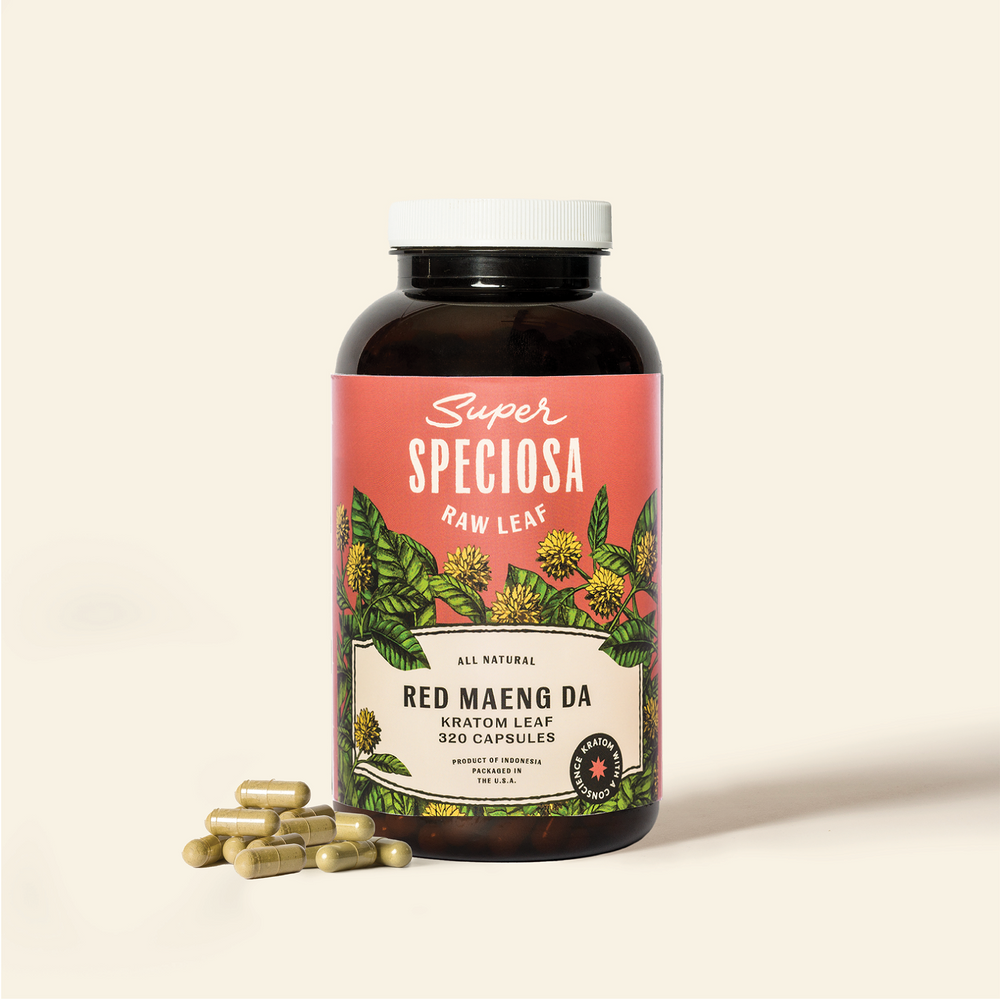
2. Kratom Capsules
If you prefer simplicity or want to avoid kratom’s earthy taste, capsules are an excellent alternative. Each capsule contains a consistent amount of pure kratom powder, making them easy to take on the go.
-
Why it’s better: Capsules allow for controlled serving sizes and eliminate the guesswork.
-
Bonus: No bitter taste, no prep time, and no risk of inhalation or heat-related degradation.
You can explore Super Speciosa’s Kratom Capsules — convenient, consistent, and crafted for purity and peace of mind.
3. Kratom Tea
Brewing kratom tea is one of the oldest and most soothing ways to enjoy the plant. It’s gentle on the stomach, easy to prepare, and perfect for those who prefer a calming ritual.
-
Why it’s better: Controlled steeping extracts kratom’s alkaloids naturally, without the extreme heat of vaping.
-
Flavor tip: Add a bit of honey or ginger for a smooth, aromatic experience.
Each of these alternatives respects the integrity of the kratom leaf, offering you predictable results, natural benefits, and complete control over what goes into your body.
4. Kratom Gummies
Gummies are one of the newest and most approachable ways to enjoy kratom. They’re flavored, portable, and pre-measured, which makes them appealing for those who dislike the earthy taste of powder.
-
Why they’re popular: Provide a discreet, tasty, and consistent experience with no preparation required.
-
Important note: Always choose gummies made with lab-tested kratom extract from reputable brands to ensure purity and accuracy.
5. Kratom Extracts
Extracts are highly concentrated liquid or powder forms of kratom designed for experienced users seeking a stronger serving in smaller amounts.
-
Why they’re powerful: Contain refined alkaloids that deliver noticeable effects with minimal volume.
-
Use responsibly: Extracts are potent — start small and only use products that disclose full alkaloid content and are third-party tested.
6. Kratom Shots
Kratom shots are ready-to-drink liquid extracts that combine potency with convenience. They’re great for those who prefer quick, easy servings without preparation.
-
Why they stand out: Compact, travel-friendly, and fast-acting due to liquid absorption.
-
Safety reminder: Check for transparency — not all shots are created equal, and some may include additives or artificial sweeteners.
Should You Try Kratom Vapes?
When it comes to kratom vapes, curiosity is understandable, but when it comes to kratom, vaping is not a safe or responsible option.
While you can technically vape kratom, vaping kratom is not recommended because of the potential health and safety issues. The lack of research, unstable alkaloids, and inconsistent formulations mean kratom vapes simply don’t measure up to the real thing. They’re untested, unregulated, and unreliable compared to traditional kratom powder or capsules, forms that have been used safely for generations.
At Super Speciosa, we believe education should always come before experimentation. That’s why we focus on providing lab-tested, transparent, and responsibly sourced kratom, so you can make informed choices about your wellness journey.
If you’re exploring kratom for the first time, start with the methods that honor the plant’s natural chemistry: powder, tea, or capsules. They’re consistent, authentic, and proven.
Because when it comes to your well-being, clarity and quality matter far more than convenience.