How Long Does it Take to Grow Kratom?
HOW LONG DOES IT TAKE TO GROW KRATOM?

Thinking about growing your kratom tree? Kratom, Mitragyna speciosa, isn’t exactly a “plant it and forget it” kind of tree—it takes time, care, and the right conditions to thrive. From tiny seeds to a full-grown tree, the process can take anywhere from a few months to several years, depending on how patient (and lucky) you are.
In this guide, we’ll break down the stages of kratom growth—so you know what to expect before you dive into the world of kratom cultivation. Let’s get growing!
Can You Grow Kratom On Your Own?
The answer is yes—but it’s not as simple as planting a seed and watching it sprout. Kratom is a tropical tree that requires the right climate, soil conditions, and a whole lot of patience. While it’s possible to grow kratom at home, it comes with its own set of challenges.
Is At-Home Kratom Growing Legal?
Before you start growing kratom, it’s important to check the laws in your area. Kratom is legal in many places, but some states and countries have restrictions on its sale, possession, or cultivation. Kratom is legal in most places in the US but banned in some areas.
States where kratom is illegal: Alabama, Arkansas, Indiana, Rhode Island, Vermont, and Wisconsin.
Cities and counties where kratom is currently illegal: Sarasota County in Florida; Union County, MS; San Diego, CA; Jerseyville, IL; Oceanside, CA; and Ontario, OR.
Use our updated resource on kratom legality to stay informed about the latest regulations.
Challenges With Growing Your Own Kratom Tree
- Getting the seeds to sprout - Kratom seeds lose viability fast, so fresh seeds are crucial. Even then, germination rates are low, making seedlings or cuttings a more reliable option.
- Creating the right climate - Thriving in 75°F–90°F temperatures with high humidity, kratom requires a greenhouse or controlled indoor setup in non-tropical regions.
- Soil and water requirements - Go for well-draining, nutrient-rich, slightly acidic soil. Kratom needs frequent watering but is prone to root rot if overwatered.
- Time and Space - Wild kratom trees reach 20+ feet. Indoor growers must prune often, and full maturity takes years.
- Alkaloid content and Strength - Environmental factors impact alkaloid content, so homegrown kratom may not match the strength of commercially grown Southeast Asian strains.
How Long Does it Take to Grow Kratom?
Kratom, Mitragyna speciosa, is a tropical tree known for its unique alkaloid content, but growing it requires patience and the right environment. The answer to How long does it take? Depends on factors like climate, soil, and care, but generally, kratom takes months to sprout and years to fully mature.
Understanding the Growth Cycle From Seed to Mature Tree
- Germination (1–6 weeks) – Kratom seeds are notoriously difficult to germinate. They must be fresh, as they lose viability quickly. Even under ideal conditions—high humidity, warmth, and nutrient-rich soil—germination rates are low, and it can take anywhere from a few weeks to over a month for seeds to sprout.
- Seedling stage (3–6 months) – Once sprouted, kratom seedlings grow slowly and are highly sensitive to temperature and moisture changes. They require consistent warmth (70°F–90°F) and high humidity to develop strong roots.
- Sapling to small tree (1–2 years) – During this stage, the plant starts developing a woody stem, and growth accelerates. With proper care, including regular pruning, nutrient-rich soil, and controlled watering, kratom trees can reach several feet tall within a couple of years.
- Mature tree (3–5+ years) – In the wild, kratom trees can grow over 50 feet tall, but cultivated trees often reach 10–20 feet in controlled environments. It typically takes at least 3 years for a kratom tree to reach full maturity, though growth rates vary based on climate and care.
How Long Until Kratom Can Be Harvested?
Kratom leaves can typically be harvested after 2–3 years, once the tree is mature enough to produce alkaloid-rich foliage. Harvesting too early can result in lower strength. Once mature, kratom trees can be harvested multiple times per year, as leaves regenerate quickly in ideal conditions.
Does Kratom Grow Faster in Certain Climates or Settings?
Yes! Kratom thrives in hot, humid, and tropical climates, similar to its native regions in Southeast Asia. Trees grown in warm, wet environments with rich, well-draining soil tend to grow faster and produce higher mitragynine leaves.
- Outdoor growth (tropical regions) – In warm, humid climates, kratom trees can grow rapidly, reaching 20 feet or more within a few years. They benefit from natural sunlight, rain, and nutrient-rich soil.
- Indoor or greenhouse growth – In non-tropical areas, kratom must be grown in a controlled environment with high humidity (over 70%) and temperatures between 70°F–90°F. Growth tends to be slower, and trees may remain smaller.
How to Grow Kratom: Step-by-Step Guide
Growing kratom is a rewarding but challenging process. Whether you’re starting from seeds or cuttings, growing indoors or outdoors, let’s walk you through the key steps to successfully grow kratom.
Choosing the Right Seeds or Cuttings
- Seeds – Kratom seeds lose viability quickly and must be planted fresh, ideally within days of harvesting. Even under optimal conditions, germination rates are low.
- Cuttings – A more reliable option. Cuttings taken from a mature kratom tree can root and grow faster than seeds, increasing your chances of success.
Pro Tip: If using seeds, plant a large batch to improve your chances of germination.
Indoor vs Outdoor Cultivation
- Outdoor (Best for tropical climates) – Kratom trees flourish in warm, humid environments (70–90°F). In places like Southeast Asia, they can grow over 50 feet tall in nutrient-rich soil.
- Indoor/Greenhouse (For non-tropical regions) – If you live in a colder or drier climate, you’ll need to simulate kratom’s native conditions using grow lights, humidity control, and a deep planting container to allow root expansion.
Pro Tip: If growing indoors, consider a humidifier to maintain proper moisture levels.
Optimal Soil, Light, Temperature, and Humidity for Kratom
- Soil – Well-draining, nutrient-rich soil with a slightly acidic pH (5.5–6.5) is best. Avoid compacted or clay-heavy soil.
- Light – Kratom thrives in partial to full sunlight. Indoor growers should use strong LED grow lights to mimic natural sunlight.
- Temperature – Keep it between 70°F–90°F. Kratom does not tolerate frost and should be brought indoors in colder months.
- Humidity – Ideal levels are above 70%. Dry air can cause leaf drop and stunted growth.
Pro Tip: If humidity is too low, mist the leaves regularly or use a humidity dome for young plants.
Watering and Nutrient Needs
- Watering – Keep the soil moist but not waterlogged. Overwatering can cause root rot while underwatering leads to stress and slow growth.
- Nutrients – Kratom is a heavy feeder! Use a balanced fertilizer with nitrogen, phosphorus, and potassium, or supplement with compost and organic matter.
Pro Tip: If leaves turn yellow, the plant may be lacking nitrogen or suffering from overwatering.
Managing Pests and Diseases
- Common pests – Aphids, spider mites, and scale insects can attack kratom leaves. Use insecticidal soap or neem oil to keep them at bay.
-
Fungal issues – Excessive moisture can cause fungal infections. Ensure proper airflow around the plant and avoid overwatering.
Pro Tip: Regularly inspect leaves for signs of pests or disease, and remove affected foliage immediately.
When and How to Harvest Kratom Leaves
- When? – Kratom leaves are ready for harvest after 2–3 years when the tree is mature. The alkaloid content is highest in older, darker leaves.
- How? – Pick mature leaves by hand, or prune branches for larger harvests. Dry the leaves in a warm, dark area.
Pro Tip: Regular pruning encourages bushier growth and increases leaf production.
Now What?
After harvesting, you can dry, powder, or store your kratom leaves for later use. If you’ve successfully grown a kratom tree, consider experimenting with different drying techniques to enhance alkaloid levels.
Ensure your kratom stays fresh and effective with our kratom expiration and storage guide.
Growing kratom takes patience, but with the right care, you can cultivate a thriving tree in your own home or garden!
Save Yourself the Time and Stress With Expertly Formulated Kratom Products at Super Speciosa!
Find the best kratom for sale online at Super Speciosa.
- Buy kratom powder online – Popular for its versatility and cost-effectiveness; pure ground Mitragyna speciosa leaves.
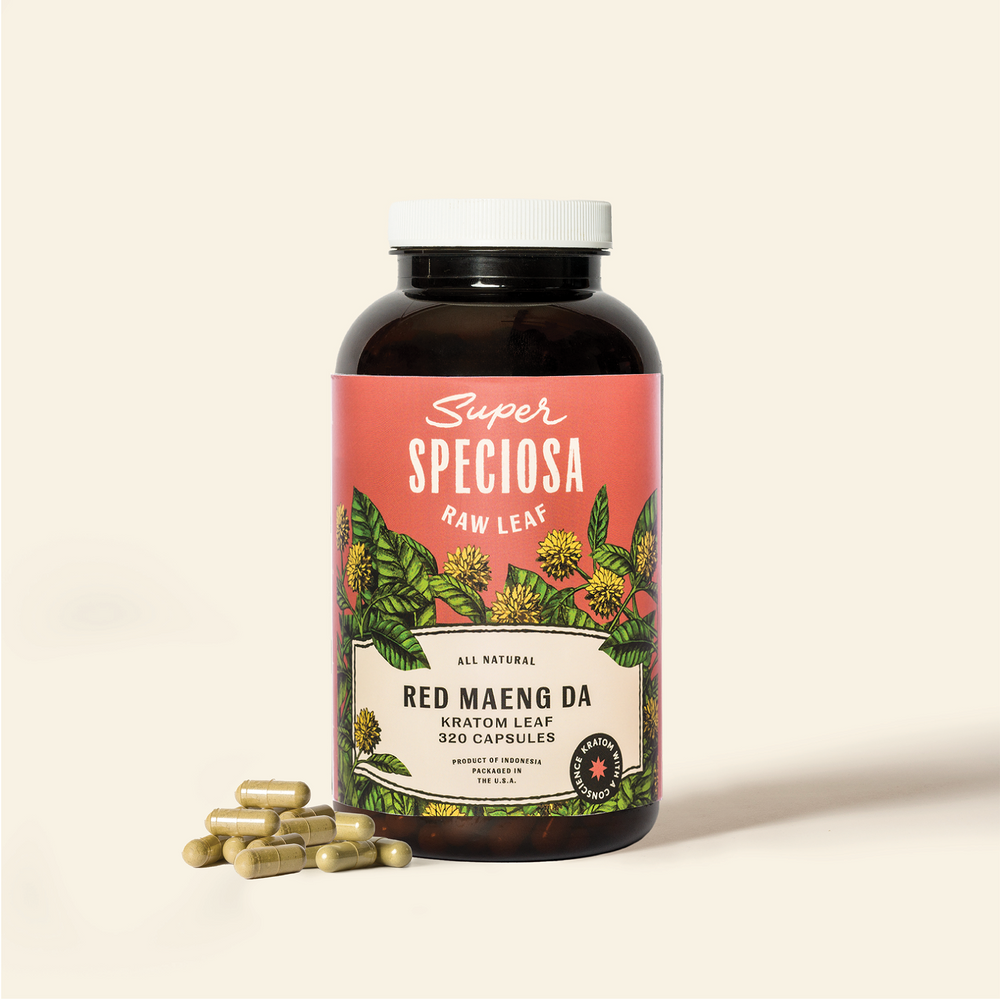
- Buy kratom capsules online – 500 milligrams kratom powder capsules for an easy-to-pop, tasteless kratom experience.
- Buy kratom extracts – Made with kratom extract powder and other delicious ingredients for a flavorful and strong kratom experience. Find the best kratom extracts.
- Buy kratom shots online – Fast-acting effects, high strength, palatable taste, and expertly formulated.
- Kratom gummies online – Delicious gummies infused with Mitragynine for a tasty kratom treat.
- Kratom liquid extract – Made with our premium kratom extract, simply drop them in your mouth or in a refreshing mocktail.
- Kratom tablets – Pressed 300 milligrams kratom powder tablets for on-the-go use and extra convenience.
- Kratom tea for sale – Crushed kratom leaf tea bags for a delightful kratom tea experience.
- Flavored kratom: a unique selection of flavored kratom products, enhancing your experience with delightful tastes and aromas.
Whether you seek kratom for productivity or creativity, Super Speciosa has a wide selection of high-quality products to suit your needs.
Wondering about the differences between kratom powder vs capsules or kratom powder vs extract? Explore the different ways to take kratom.
Final Thoughts on the Kratom Growing Cycle
Growing kratom requires patience, the right environment, and consistent care, but the rewards are well worth the effort. With time, you’ll have a steady supply of fresh kratom leaves to dry and use as needed. Happy growing!