Kratom Hangover: Does Kratom Give You a Hangover?
KRATOM HANGOVER: DOES KRATOM GIVE YOU A HANGOVER?

Let’s be honest, if you’ve ever woken up the morning after taking kratom and thought, “Why do I feel a little off?, you’re not alone.
Some people describe what feels like a “kratom hangover”, usually things like a mild headache, grogginess, or just not feeling 100%. Naturally, that raises questions:
- Is this normal?
- Does kratom actually cause hangovers?
- Or is something else going on?
Here’s the straightforward answer: Kratom doesn’t affect everyone the same way, and what people call a “hangover” is usually tied to a few very specific factors, like hydration, serving size, timing, or even product quality.
At Super Speciosa, we’ve worked with kratom for years, and we’ve seen this pattern firsthand. The good news? In most cases, these next-day effects are avoidable once you understand what’s causing them.
In this guide, we’ll break down:
- What a “kratom hangover” actually is
- Why some people experience it (and others don’t)
- Simple ways to avoid it altogether
- And how quality plays a bigger role than most people realize
Can Kratom Cause a Hangover Feeling?
Short answer: it can, but it’s not typical for everyone.
Most people don’t experience any kind of hangover-like effect from kratom. But in some cases, users report feeling a bit off the next day, usually described as a kratom headache, light grogginess, or a slightly sluggish start to the morning.
What’s Actually Happening?
Instead of thinking of it as a true “hangover” (like alcohol), it’s more accurate to think of it as: A temporary, next-day imbalance in your routine
This can be influenced by things like:
- Not drinking enough water
- Taking more than your usual amount
- Using kratom later in the evening
- Or choosing lower-quality products
In other words, it’s usually not the kratom itself, but how it was used.
Why It Doesn’t Happen to Everyone
This is where individual variability comes in.
Some people can:
- Take kratom regularly
- Stay hydrated
- Stick to consistent routines
…and never experience any next-day effects at all.
Others may be more sensitive to:
- Changes in routine
- Serving size
- Timing
That’s why you’ll see mixed experiences online—it’s highly personal.
Quality Plays a Bigger Role Than You Think
One factor that often gets overlooked? Product quality.
Lower-quality kratom, especially products that aren’t properly tested, can lead to:
- Inconsistent experiences
- Unpredictable results
- Greater chance of feeling “off” the next day
That’s exactly why Super Speciosa focuses so heavily on:
- Rigorous third-party lab testing
- Clean, carefully sourced kratom
- Consistency across every batch
If you’re using kratom as part of your routine, choosing a reliable product, whether it’s powder, capsules, or gummies, can make a noticeable difference in how you feel overall.
A Better Way to Look at It
Instead of asking: “Does kratom cause hangovers?”
A better question is: “What factors could be causing how I feel the next day?”
Because in most cases, once you dial in:
- Hydration
- Timing
- Consistency
- And product quality
…the issue tends to go away.
What Does a “Kratom Hangover” Feel Like?
When people talk about a kratom hangover, they’re usually not referring to anything extreme. Instead, it’s typically described as a mild, next-day feeling that something is slightly off.
For some, this can show up as a kratom headache the next day, which may feel similar to what you’d experience from dehydration or poor sleep. Others describe a sense of grogginess or sluggishness, especially if kratom was taken later in the evening or in a higher-than-usual amount.
There are also cases where people mention feeling a bit mentally foggy or slower to get going in the morning. This doesn’t happen to everyone, but when it does, it’s often subtle rather than overwhelming.
It’s important to point out that these experiences are not universal. Many people use kratom regularly and never notice any kind of next-day effect at all. When these feelings do show up, they are usually tied to specific variables rather than the product itself.
In most situations, what people call a “hangover” is better understood as a temporary imbalance in routine. Factors like hydration, timing, and consistency tend to play a much bigger role than most expect.
Another key detail is that these effects are often short-lived. Once someone adjusts how they use kratom, whether that means drinking more water, taking it earlier in the day, or choosing a more consistent product, the issue tends to resolve fairly quickly.
This is why understanding the underlying cause is so important. The feeling itself is only part of the picture. The real value comes from identifying what led to it and making small adjustments that improve the overall experience moving forward.
Why Do Some People Get a Kratom Headache or Hangover?
If you’ve ever experienced a kratom headache the next day or a mild “hangover” feeling, the cause is usually not a mystery once you break it down. In most cases, it comes back to a handful of common factors that affect how your body responds.
One of the biggest contributors is hydration. Kratom is often taken in powder or capsule form, and like many plant-based products, it can be slightly dehydrating if you’re not actively drinking enough water. When hydration is low, it’s much more likely that you’ll wake up with a headache or a dry, sluggish feeling.
Another common factor is taking more than your usual amount. It’s easy to assume that a little more will lead to a better experience, but that’s not always how it works. Larger or inconsistent servings can make it harder for your body to maintain balance, which may carry over into the next day.
Timing also plays a role. Taking kratom later in the evening can sometimes affect how you feel the following morning, especially if it overlaps with your natural wind-down routine. Even if you don’t notice anything right away, the timing alone can influence how refreshed you feel when you wake up.
One of the most overlooked factors is product quality. Not all kratom is processed or handled the same way. Lower-quality products can be inconsistent from batch to batch, which means your experience may vary even if your routine stays the same. This inconsistency can make it harder to pinpoint what your body is reacting to.
That’s where choosing a trusted source becomes important. Super Speciosa focuses on strict quality control and third-party lab testing, which helps ensure that each batch is consistent and reliable. When you remove variables like inconsistency and unclear sourcing, it becomes much easier to understand how your routine is actually affecting you.
Finally, there’s individual sensitivity. Everyone’s body responds differently to changes in routine, hydration, and intake. Some people can make adjustments without noticing much difference, while others are more sensitive to even small changes.
When you put all of this together, it becomes clear that what people call a “kratom hangover” is usually the result of multiple small factors adding up, rather than one single cause. The good news is that each of these factors is manageable once you’re aware of them.
Kratom Headache Next Day: Common Triggers
If you’re specifically dealing with a kratom headache the next day, it usually comes down to a few repeatable patterns rather than anything random.
One of the most common triggers is inconsistent routines. If your intake varies from day to day—whether in amount, timing, or format—your body doesn’t always have a stable baseline to adjust to. That inconsistency can sometimes carry over into how you feel the following morning.
Another frequent cause is taking kratom too late in the day. Even if it feels fine at the time, using it close to bedtime can subtly affect your overall rhythm. The result isn’t always obvious right away, but it may show up as grogginess or a mild headache the next morning.
Hydration habits throughout the day also matter more than people expect. It’s not just about drinking water when you take kratom—it’s about staying consistently hydrated before, during, and after. When hydration drops off, even slightly, it can increase the chances of waking up feeling off.
There’s also the factor of stacking variables at once. For example, taking a higher amount than usual, later in the evening, without enough water, can create a situation where multiple small factors combine. On their own, each one might not matter much, but together they can lead to that next-day discomfort.
Finally, switching between different vendors or products can introduce inconsistency. If the quality or processing varies, your experience may shift even if your routine stays the same. This is why sticking with a reliable, consistent source often makes a noticeable difference over time.
Does Kratom Help With Alcohol Hangovers?
This is a question that comes up often, especially when people are comparing different plant-based products or looking for ways to improve how they feel after drinking.
The most important thing to understand is that kratom is not intended to treat or prevent alcohol hangovers. There isn’t enough reliable research to support it as a solution, and it shouldn’t be approached that way.
That said, you may come across anecdotal discussions online where individuals talk about using kratom in this context. These experiences can vary widely, and they are not consistent or predictable.
From a practical standpoint, combining substances or using one to offset the effects of another can introduce more variables than it solves. It becomes harder to understand how your body is responding, which can lead to more inconsistency rather than less.
A better approach is to keep routines simple and separate. If you’re using kratom as part of your personal routine, it’s best to focus on consistency, hydration, and quality, rather than trying to use it as a solution for unrelated situations.
How to Avoid a Kratom Hangover
If you’ve experienced a kratom hangover or a mild headache the next day, the good news is that it’s usually preventable with a few simple adjustments.
The most important factor is staying properly hydrated. Many people underestimate how much water they need throughout the day, especially when using plant-based products like kratom. Drinking water consistently, not just when you take it, can make a noticeable difference in how you feel the next morning.
Another key element is keeping your routine consistent. Taking drastically different amounts from one day to the next can make it harder for your body to adapt. Finding a level that works for you and sticking to it tends to create a more predictable experience.
Timing also matters more than most people expect. Taking kratom earlier in the day, rather than late at night, can help align it better with your natural rhythm. When your routine flows more naturally, you’re less likely to notice any next-day effects.
It’s also important to avoid combining multiple variables at once. For example, increasing your amount, switching products, and taking it later than usual all at the same time can make it difficult to identify what’s actually causing the issue. Keeping things simple makes it easier to fine-tune your routine.
Finally, choosing a consistent, high-quality product can make a significant difference. When the product itself is reliable, you remove one of the biggest unknowns. This allows you to focus on your routine rather than second-guessing what you’re taking.
Why Kratom Quality Matters More Than You Think
One of the most overlooked reasons behind a kratom headache or next-day discomfort is product quality.
Not all kratom is handled the same way. Differences in sourcing, processing, and storage can all impact the final product, even if it looks similar on the surface.
Lower-quality kratom often comes with inconsistency between batches, which means your experience can change without warning. One day it feels fine, and the next day something feels slightly off, even though your routine hasn’t changed. That inconsistency can make it difficult to understand what your body is reacting to.
Higher-quality kratom, on the other hand, focuses on standardization and transparency. This includes controlled sourcing, careful processing, and third-party lab testing to verify consistency. When these factors are in place, your experience becomes much more predictable.
This is where Super Speciosa separates itself. Every product is backed by rigorous lab testing and strict quality standards, which helps eliminate the guesswork. Whether you prefer powder, capsules, or gummies, the goal is to provide a product that remains consistent from one use to the next.
When quality is consistent, it becomes much easier to identify what works for you and what doesn’t. Instead of dealing with unexpected variables, you can focus on building a routine that feels stable and reliable over time.
Find Consistency With High-Quality Kratom
If you’ve experienced something like a kratom hangover or next-day headache, one of the most effective changes you can make is choosing a product you can trust.
At Super Speciosa, quality and consistency come first. Every batch is carefully sourced and backed by rigorous third-party lab testing, so you know exactly what you’re getting. That level of transparency helps eliminate the guesswork and makes it easier to build a routine that works for you.
If you’re looking to refine your experience, here are a few great options to explore:
- Kratom Powder – A flexible and cost-effective option that allows you to stay consistent with your routine
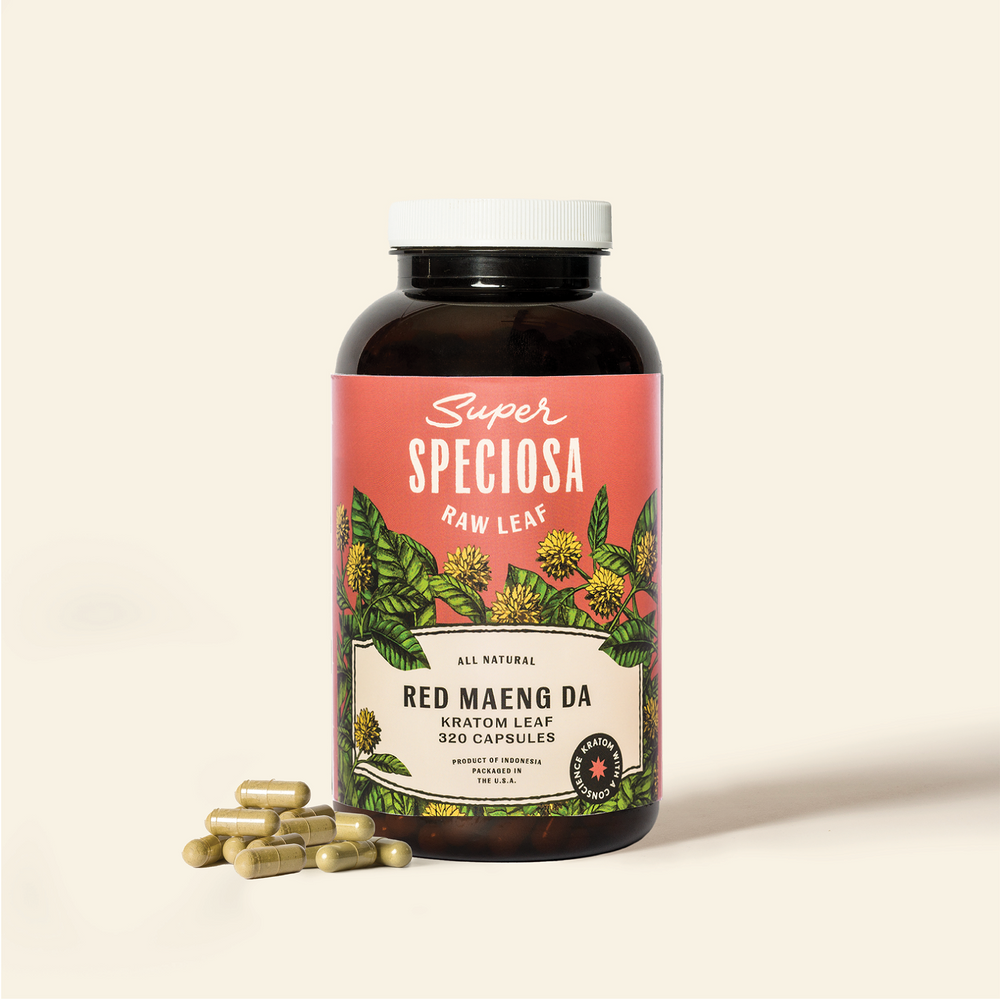
- Kratom Capsules – Pre-measured and convenient, ideal for keeping things simple and repeatable
- Kratom Gummies – An easy, approachable format that fits seamlessly into your day
Whether you’re new to kratom or simply looking for a more reliable option, starting with a trusted, high-quality source can make all the difference.
Final Thoughts: Understanding Kratom Hangovers
The idea of a kratom hangover can sound concerning at first, but in most cases, it comes down to manageable factors rather than something inherent to kratom itself.
Some people may experience a kratom headache the next day or a mild sense of grogginess, while others never notice any next-day effects at all. The difference usually comes down to hydration, timing, consistency, and product quality.
When those factors are dialed in, the overall experience tends to be much more predictable. Instead of focusing on the idea of a hangover, it’s more useful to focus on building a routine that works with your body rather than against it.
Choosing a consistent, high-quality source plays a major role in that process. With properly tested and carefully sourced products—like those offered by Super Speciosa—you remove a large portion of the uncertainty and make it easier to fine-tune your routine.
At the end of the day, it’s about understanding how small adjustments can lead to a better overall experience.
Frequently Asked Questions (FAQ)
Does kratom cause headaches?
Some people report headaches after using kratom, but this is often related to factors like hydration, timing, or consistency rather than the product itself.
Why do I feel weird the next day after kratom?
Next-day discomfort is usually tied to routine-related factors such as taking more than usual, using it later in the day, or not staying properly hydrated.
How do you prevent a kratom hangover?
Keeping a consistent routine, staying hydrated, and choosing a high-quality, lab-tested product can help reduce the likelihood of next-day effects.
Is kratom dehydration a real thing?
Some users report feeling dehydrated when they don’t drink enough water throughout the day. Staying consistently hydrated can help avoid this.
Can kratom help with alcohol hangovers?
Kratom is not intended to treat or prevent alcohol hangovers. It’s best to avoid using it as a solution for unrelated situations.