Utah Legislature Mulls Changes to Existing Kratom Regulations
UTAH LEGISLATURE MULLS CHANGES TO EXISTING KRATOM REGULATIONS

Utah was the first state to take up the idea of regulating kratom instead of banning it. Now it is joining a growing list of states that have rebuked attempts to roll back regulations.
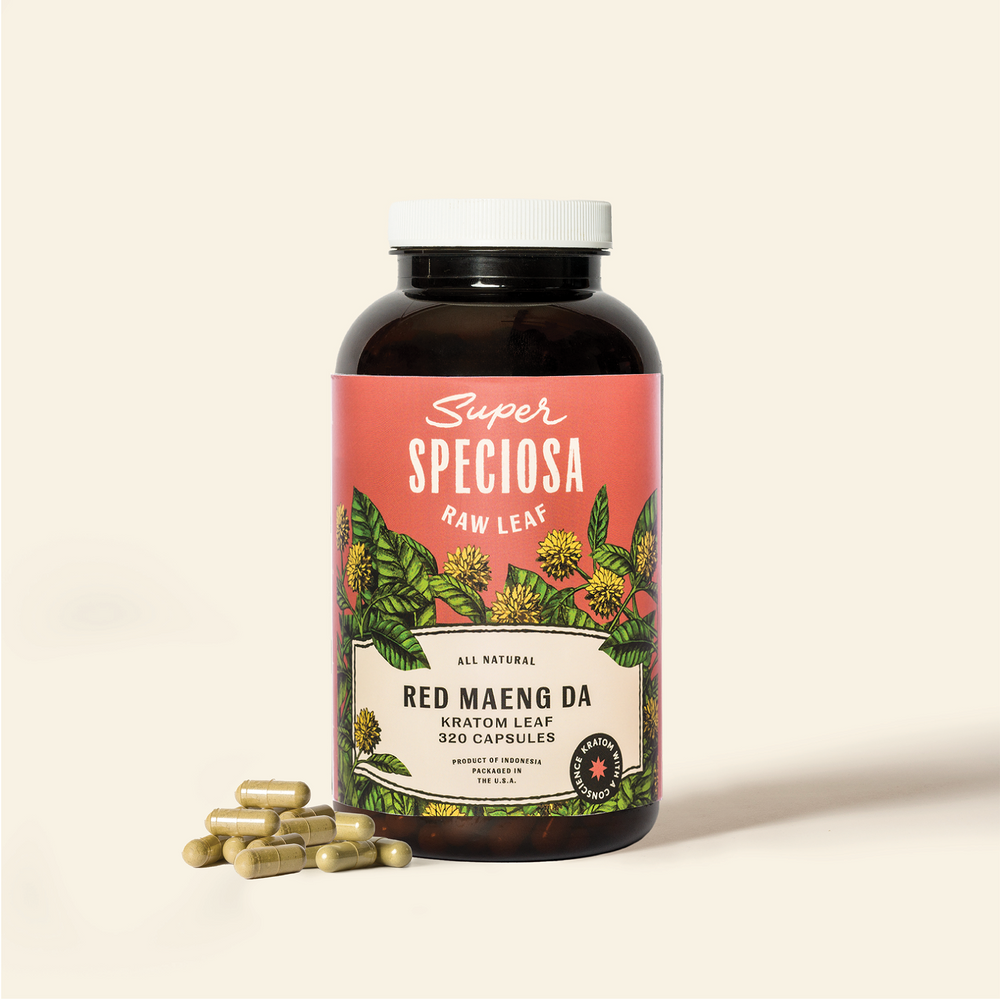
A bill that began as an attempt to repeal Utah’s Kratom Consumer Protection Act (KCPA) was switched to a substitute that retains access to natural leaf kratom. In the new form, the bill was passed through the Senate and could enhance the existing regulations to target specific products labeled as kratom. The good news for kratom advocates is that the pushback from Utah’s House of Representatives led to the “compromise” in the first place.
Sen. Michael McKell authored S.B. 45 and originally crafted the bill as a full-fledged attempt to repeal the KCPA in the state. McKell called his vote in favor of Utah’s KCPA “one of the votes I regret the most.” In an attempt to correct that vote, McKell’s initial attempt at reworking kratom laws in the state would have made “any alkaloids found in or derived from Mitragyna speciosa” a Schedule I substance in the state.
Updates to the Current KCPA
Mitragyna speciosa is the kratom plant, made up primarily of mitragynine. The “derived” caveat in the original bill refers to 7-hydroxymitragynine (7-OH), an alkaloid found in trace amounts in natural kratom leaves.
Following a stop in the Business and Labor Committee, and a 7-1 vote in favor of the bill, S.B. 45 advanced to the Senate floor, where McKell made significant changes to the proposed legislation.
Instead of targeting all kratom products, the new version of the bill limits 7-OH products and targets another derivative of 7-OH known as Mitragynine pseudoindoxy. McKell’s reworked bill also upped the age requirements to purchase kratom to 21 years old and requires kratom to be sold in shops that have a retail license to sell tobacco products.
“This doesn’t go as far as I would like, but it’s a compromise I’ve been working on with the House,” McKell said. “We are going to allow some pure leaf kratom to be sold; it’s going to be very, very narrow. This is going to eliminate, hopefully, 90 plus percent of our problems here in Utah.”
On the enforcement and regulation side, the new bill would also require kratom processors and retailers to register with the state. The bill also changes the penalties and enforcement mechanisms that authorities can use to enforce the law on businesses.
“This bill also gives the Department of Agriculture some new tools that they haven’t had in the past,” McKell said. “That’s the purpose of the substitute.”
Components of a Compromise
That substitute also takes into consideration another bill from the current legislative session. Sen. Evan Vickers introduced S.B. 48, which targets 7-OH and synthetic byproducts of the alkaloid. Vickers’ bill goes further than the existing KCPA, which sets the amount of allowable 7-OH at 2% of the overall alkaloid contents of a product, and sets the benchmark for allowable 7-OH concentration at 0.4%.
“Do we allow some kratom to be sold? Do we ban it completely? I know there is strong sentiment about that,” Vickers said.
Vickers is the chair of the committee that reported McKell’s original bill with a favorable recommendation. After McKell consulted with colleagues in the House of Representatives, elements of Vickers’ bill were added to S.B. 45, including the specific limit on the amount of 7-OH, and helped create the substitute that the state Senate voted on.
“On the regulatory piece, what (McKell) is proposing now really does narrow it down to raw kratom, which by definition has a very small trace amount of 7-OH,” Vickers said. “You would have to consume a significant amount of that to get to a therapeutic level.”
Reactions from the Senate were mixed. One senator spoke against the bill, instead voicing support for a total ban on kratom products. Part of the opposition came from concerns about the cost of regulation, something that Vickers attempted to address by introducing a bill to increase taxes on kratom products sold in Utah.
McKell supported the idea of more restrictive regulation, but said he believes this is a significant step toward addressing the issues with the kratom industry in the state. That sentiment was echoed by others in Utah’s upper chamber.
“I agree with the premise of taking the product out of gas stations,” said Sen. Todd Weiler. “I like the idea of allowing the pure kratom to be sold. I think a lot of the problems we’ve heard, maybe not all of them, but a lot of them have been with the items that they’re mixed with.”
Ultimately, all 29 state Senators in attendance voted to pass the measure and advance the bill to the Utah House of Representatives.
Rep. Katy Hall is a co-sponsor of the bill and will handle the efforts to refine kratom regulations in the state. After receiving a first reading, the House Business, Labor, and Commerce Committee was selected as the next step for the proposed legislation.