Ohio’s Board of Pharmacy Attempts to Target Natural Kratom Reversed By Court Order
OHIO’S BOARD OF PHARMACY ATTEMPTS TO TARGET NATURAL KRATOM REVERSED BY COURT ORDER

Following a months-long back-and-forth over the fate of natural leaf kratom, authorities attempted to deliver the final blow to access in the state.
What they didn’t count on was the coalition of advocates that is ready and willing to push back on that process.
Nearly six months after the Ohio Board of Pharmacy (BOP) took emergency action against specific kratom products, the board decided on May 14 to formally expand the type of products being targeted. That action forced advocates to seek relief in federal court, leading to a temporary restraining order (TRO) against the BOP’s new rule. That leaves kratom customers in Ohio stuck in a crossfire between regulators and the responsible kratom producers who are attempting to adhere to an emergency rule on public health.
The attempt by Ohio authorities to put kratom in the crosshairs began last year, when Gov. Mike DeWine issued an executive order that ordered the BOP to make an emergency rule designating all synthetic and “other dangerous compounds derived from the active ingredient in kratom as illegal drugs.” DeWine deferred to the Food and Drug Administration (FDA) in his order after the federal agency announced plans to target 7-hydroxymitragynine (7-OH).
Decoding DeWine’s Duplicity
On its face, DeWine’s effort looked in line with the FDA’s stance on 7-OH, which is an alkaloid that occurs in trace amounts in natural kratom leaf. By targeting synthetic compounds and other “dangerous” compounds, it appeared that Ohio’s BOP was simply adding the same substances targeted by the FDA to its own list of banned substances.
DeWine’s comments at the time signaled a larger target looming beyond the scope of that initial emergency rule.
“While there is a clear path to take action on synthetic kratom, I still have deep concerns about natural kratom,” DeWine said. “Pursuing the regular rule process for a ban on natural kratom will allow for hearings, testimony, and a deliberative process."
In response to that initial effort, and the process by which the BOP used to come to its conclusions on kratom, advocates began sounding the alarm that authorities in Ohio were straying from federal guidance in pursuit of their own agenda.
“(The FDA’s) conclusion was that kratom is well tolerated at all dose levels,” said Mac Haddow, a senior fellow with the American Kratom Association. “How is it that a Board of Pharmacy ... did not hear that documentation, which is publicly available? How in the world can anyone look at that and say this was anything more than just a railroad job in front of a kangaroo court?”
From that point, the BOP and a handful of legislators carried out the rule-making process to target both natural and synthetic kratom products. Despite a large amount of public testimony in favor of natural leaf kratom, Ohio lawmakers rubber-stamped the proposal from the BOP. They gave the agency authority to create new guidance on natural and synthetic forms of kratom.
Advocates Assemble to Protect Natural Leaf Kratom
At the time, lawmakers who supported the BOP’s efforts made sure to differentiate between natural leaf and synthetically derived products. Rep. Sean Patrick Brennan issued a press release in support of the BOP’s actions, but said it was important that “the rule does not apply to kratom in its natural, vegetative form.”
“There are strong and deeply personal perspectives on this issue, reflected in the more than 1,600 public comments submitted on proposals related to natural kratom,” Brennan said. “It is appropriate that we proceed carefully, take in all the evidence, and fully understand the impact before considering any broader action.”
Those sentiments were echoed by Rep. Anita Somani, who said that her background as a physician made her more inclined to lean toward regulation instead of outright prohibition of natural leaf kratom.
“The lack of regulations for kratom in this state is concerning, and reasonable steps do need to be taken to ensure this drug is not easily accessible,” Somani said. “However, I am hesitant to endorse such a strict ban without sufficient evidence to warrant it.
The BOP did not listen to those concerns.
Clash Over Consumer Notice
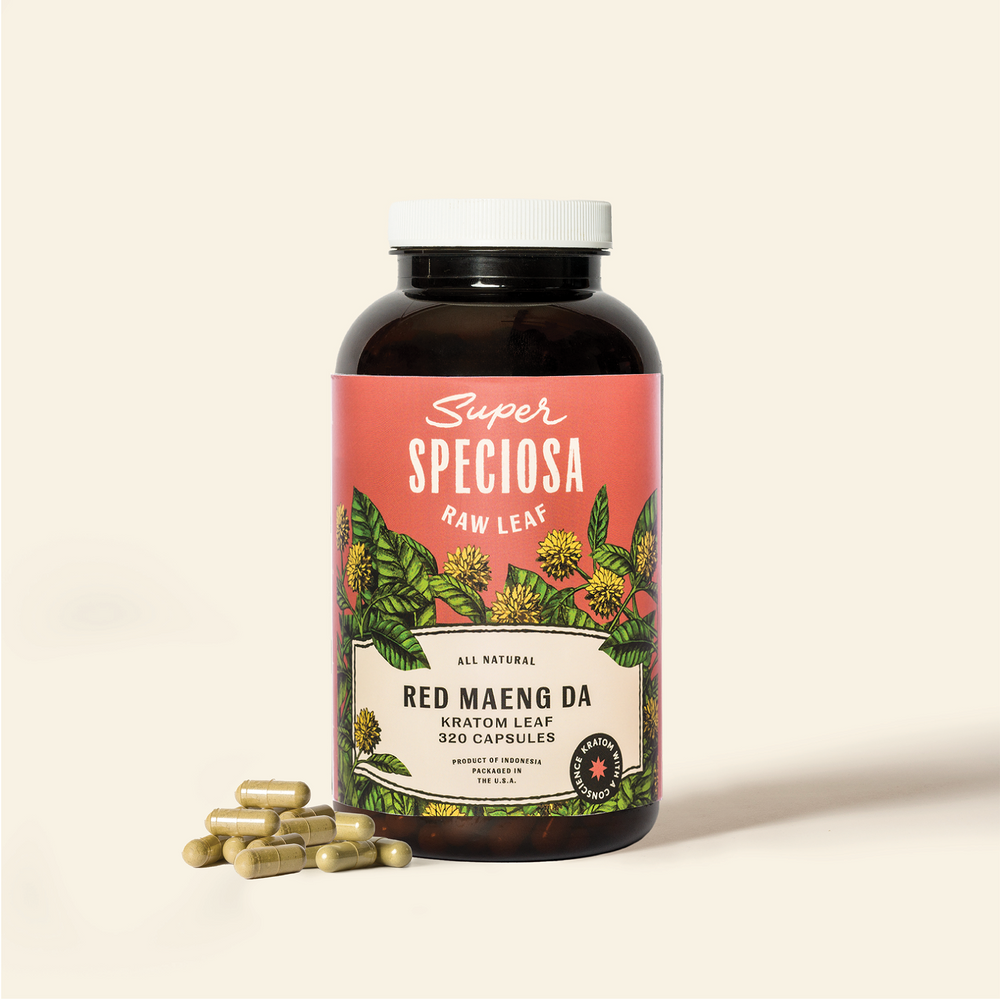
A month later, the BOP produced a Consumer and Retailer Notice on May 14, set to take effect five days after its issuance. The new guidance initially targeted various forms of products derived from both synthetic AND natural leaf kratom. Among the items listed as illegal to sell or possess were natural leaf kratom products in capsule and liquid form.
Furthermore, the order by the BOP specifically banned any natural leaf kratom product that had instructions on how to make a tea or any kratom product that was labeled as a dietary supplement with instructions for processing.
That was before advocates fought back.
Although the new guidance did officially take effect, the AKA and the Global Kratom Coalition pushed back by taking the BOP to federal court, and on May 22, won a TRO that prevented certain elements of the new guidance from remaining in effect. It was the second time that kratom advocates used the courts to rein in the power of the BOP, and this time the effect of that court order led to immediate action by authorities in Ohio.
The court’s decision centered on the original wording of the BOP’s emergency rule, and found that the intention of that rule “was not intended to, and does not, schedule or otherwise apply to natural kratom and natural kratom leaf products.” Following the court’s ruling, the BOP revised its guidance with an updated set of rules on May 28.
The new rules only had two categories of products, and removed the specific instructions for encapsulated forms of natural leaf kratom and liquids/beverages derived from kratom leaf. In its place was a category for natural kratom, which was labeled as legal to sell or possess, and “Kratom-related compounds” that included 7-OH and other synthetically derived alkaloids that are not found in natural kratom leaf.
That updated guidance also deleted the portions that pertained to how kratom products could be labeled and the type of instructions that were barred from being included with natural leaf kratom products. In essence, the update reversed all of the actions taken by the BOP to target products derived from natural leaf kratom.
With no clear path forward, advocates for kratom are stuck waiting for a more permanent ruling from the court overseeing the case or action from the state legislature to override the BOP’s authority. Before DeWine’s executive order in December, Somani introduced a bill that would ban synthetic kratom derivatives and create a robust set of regulations for natural leaf kratom products.
“Banning kratom entirely would mean it would only be sold on the black market. That would prevent the proper regulations being put in place to monitor its sales and side effects,” Somani said. “Implementing statewide legislation restricting access to those 21 and over, enforcing clear labelling and dosage rules, and banning its most potent forms would be more sensible steps to take.”