Nassau County, NY & Boston, MA Kratom Ban: Action Needed
NASSAU COUNTY, NY & BOSTON, MA KRATOM BAN: ACTION NEEDED

Two communities are on the verge of banning natural kratom — and the window to stop it is closing fast. In Nassau County, the ban is already on the County Executive's desk. In Boston, it's still being drafted. Both need your voice right now. Here's what's happening and exactly what you can do to protect access for responsible consumers.
Nassau County, NY: The Kratom Ban Is on the County Executive's Desk — Act Now
This is the final push. The Nassau County Legislature has passed a blanket kratom ban, and it now sits on the desk of County Executive Bruce Blakeman. He must choose to sign it into law or veto it — and we need a veto.
There is no committee hearing left. No floor vote to fight. This decision belongs to one person, and your voice can still reach him.
What makes this ban especially troubling is that New York State already passed statewide kratom regulations in 2025. Those regulations established a clear, responsible framework for kratom sales — one that protects consumers while keeping the product accessible to adults who rely on it. A county-level ban doesn't add safety. It directly contradicts the work already done at the state level and strips consumers of access to a legal, regulated product.
This bill also ignores the direction federal authorities are heading. The FDA has made clear that the real concern is synthetic and enhanced 7-hydroxymitragynine (7-OH) products — not natural kratom leaf. The AHPA has also issued a policy warning against labeling 7-OH as kratom. Local Law 27-26 makes none of these distinctions. It bans everything.
What to Do Right Now
Contact County Executive Bruce Blakeman directly and deliver one clear message: "Please veto the blanket kratom ban and support a regulatory approach to natural kratom leaf products instead."
-
Phone: (516) 571-3131
-
Email: bblakeman@nassaucountyny.gov / ncexecutive@nassaucountyny.gov
-
Online Contact Form: nassaucountyny.gov
-
Fax: (516) 571-4000
-
Mail: Office of the County Executive, 1550 Franklin Avenue, Mineola, NY 11501
When you reach out, make these points:
-
You are asking for a veto of Local Law 27-26
-
New York's 2025 statewide kratom regulations already address consumer safety — a county ban is redundant and harmful
-
Federal guidance targets synthetic 7-OH, not natural kratom leaf — local law should follow that lead
For a full action toolkit, visit: protectkratom.org/newyork
Boston, MA: A Kratom Ban Still Being Written — Your Voice Can Shape the Outcome
In Boston, the threat is still taking shape — and that's exactly why now is the moment to act.
The Boston City Council is actively drafting a citywide ordinance to ban kratom sales, developed in partnership with the Boston Public Health Commission under Docket #0175. The ordinance hasn't been finalized, which means consumer voices can still change its direction.
This isn't the first time Massachusetts communities have gone down this road. Local bans have been spreading across the state for years — from North Attleboro to Lowell — each one filling a void left by the state legislature's failure to pass a statewide regulatory framework. Boston would be the largest domino yet to fall.
There is no public testimony option for this docket. Calls and emails are the only advocacy tools available to you. That makes every single contact count even more.
Boston has an opportunity to do this the right way — to follow the example set by states across the country that have chosen regulation over prohibition. The Kratom Consumer Protection Act offers a proven framework: lab testing requirements, age restrictions, clear labeling, and consumer protections that address legitimate public health concerns without criminalizing responsible adults or the small businesses that serve them.
A blanket ban doesn't protect anyone. It pushes consumers toward unregulated sources and ignores the real issue: synthetic 7-OH concentrates. As research covered on the Huberman Lab podcast and confirmed by a recent FDA dosage study make clear, these products are fundamentally different from natural kratom leaf — and that distinction matters enormously in any honest policy conversation.
Take Action in Boston — Today
Call and email the following contacts. Reference Docket #0175 in every message.
-
John FitzGerald (lead sponsor) – (617) 635-3455 – john.fitzgerald@boston.gov
-
Edward Flynn (lead sponsor) – (617) 635-3203 – ed.flynn@boston.gov
-
Mayor Michelle Wu – (617) 635-4500 – mayor@boston.gov
-
Boston City Council – City.Council@boston.gov
-
Boston Public Health Commission – info@bphc.org
When you reach out, make these points:
-
You are opposing the kratom ban under Docket #0175
-
Regulation — not prohibition — is the right approach for responsible consumers
-
The focus should be on synthetic 7-OH products, not natural kratom leaf
-
A ban criminalizes responsible adults and pushes consumers away from safe, regulated sources
For a full action toolkit, visit: https://www.protectkratom.org/massachusetts
The Bigger Picture
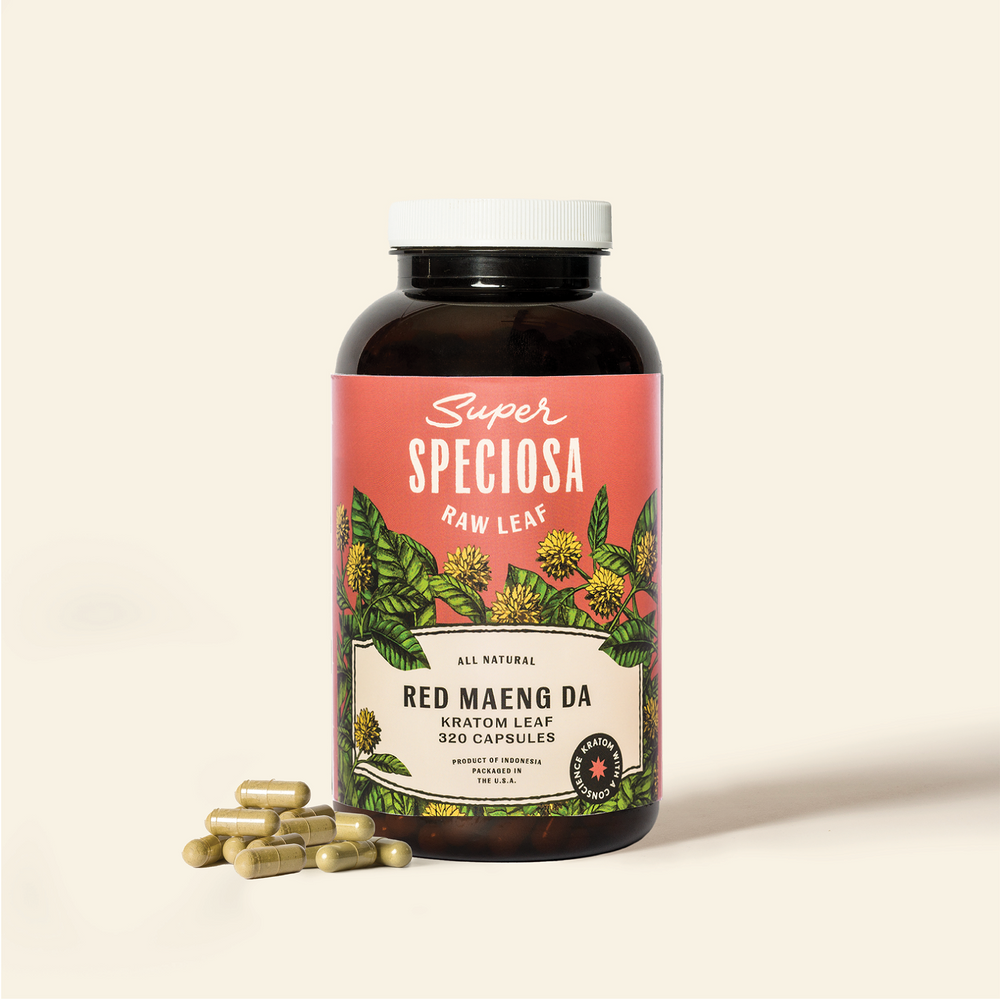
What's happening in Nassau County and Boston isn't happening in a vacuum. Across the country, lawmakers have been choosing regulation over prohibition — recognizing that blanket bans don't solve public health concerns, they create new ones. South Dakota enforced its consumer protection framework rather than reversing it. Mississippi rejected six separate attempts to schedule or ban kratom in a matter of weeks. Federal agencies have drawn a clear line between natural kratom and synthetic 7-OH, and responsible producers like Super Speciosa have never sold 7-OH products — because the science doesn't support it. The trend is clear.
But trends don't protect local consumers on their own. You do.
Every call placed, every email sent, and every personal story shared with a lawmaker is a reminder that kratom consumers are real people — not statistics, not a problem to be solved. The time to act is now. Make the calls. Send the emails. Share this with anyone you know in Nassau County or Boston.
Tomorrow may be too late.