Deadline Approaches for New York’s Attempts to Regulate Kratom
DEADLINE APPROACHES FOR NEW YORK’S ATTEMPTS TO REGULATE KRATOM

Kratom consumers in New York have been left in limbo as laws regulating the plant have sat on the governor’s desk.
With one month left to make a decision, all sides of the ‘kratom question’ are pushing for answers and waiting for Gov. Kathy Hochul to make up her mind.
A pair of bills regulating kratom passed both chambers of the New York legislature in June, but have been stuck in limbo ever since. One is a simple age limit, while the more in-depth bill focuses on labels for kratom products–both are elements of regulatory structures that have passed in other states. With a Dec. 31 deadline to sign the bills looming, the pressure is on Hochul to decide how to proceed with regulating kratom in the state in the wake of a statewide debate that has gone back and forth for the majority of 2025.
While neither bill goes as far as versions of the Kratom Consumer Protection Act (KCPA) that have passed in other states, they are a step toward regulation instead of prohibition. That has caused pushback from opponents of kratom. At the same time, industry advocates have tried to work with lawmakers to modify the proposed bills to fit with the regulatory structures of other states and developments in how the Food and Drug Administration (FDA) views certain kratom products.
Breakdown of the Bills
The age-restriction bill is S.4552, which is a Senate bill that was ultimately substituted for an identical bill that was introduced in the State Assembly. That bill makes it illegal to sell kratom products to anyone under the age of 21. It lays out the structure for kratom definitions and the process that would be required of businesses that sell kratom to verify the age of a consumer purchasing those products.
That bill worked its way through the state legislature at the same time as S.8285, the bill that creates label requirements for kratom products. More specifically, the bill would require warnings to consumers that are different from label requirements that have passed in other states that opted to regulate kratom.
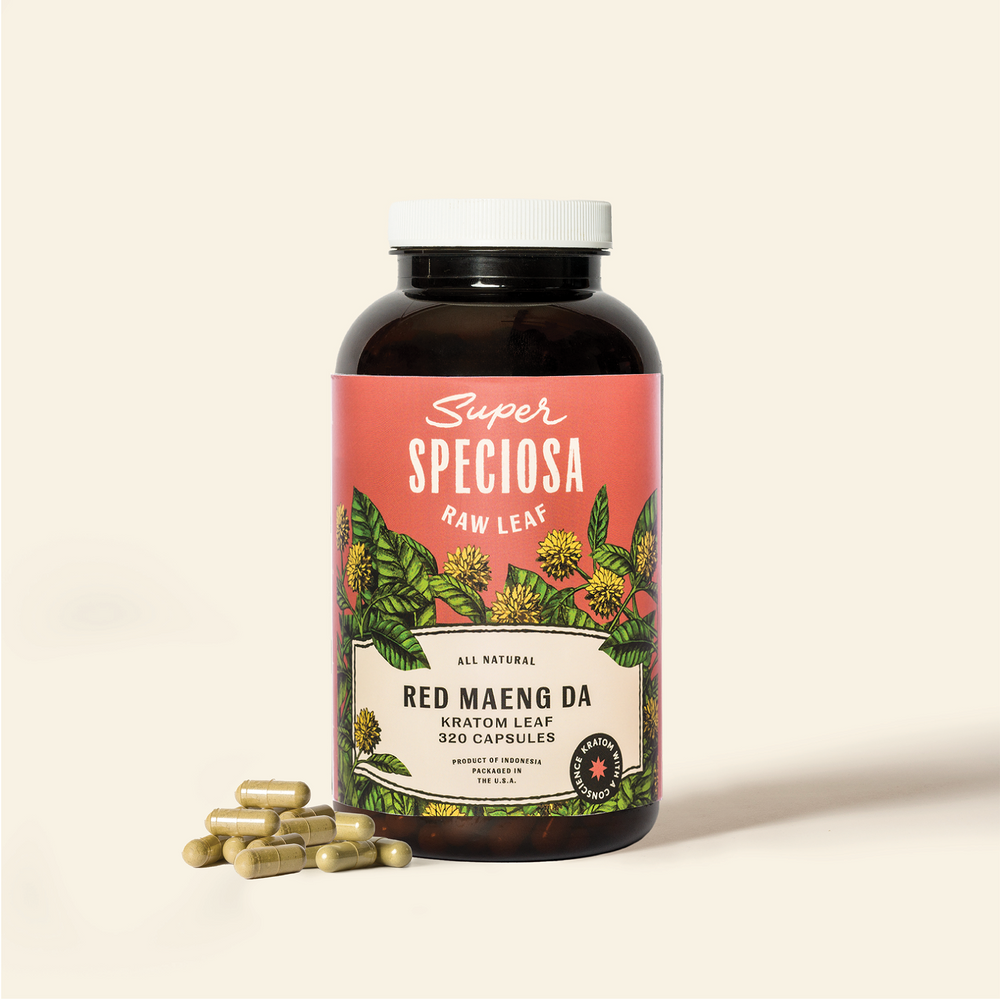
Instead of focusing on ingredients, serving sizes and directions for consumption, the labels required by this law would prohibit kratom products from being “all natural." It would also force kratom products to be labeled with a specific warning: “This product has not been approved by the FDA. Side effects may include nausea, agitation, hallucinations, difficulty breathing, liver damage, and death.”
Both bills passed the state Senate by a vote of 59-0 as their final step in navigating the legislative process.
A third bill on kratom was also introduced during this legislative session in an attempt to schedule all kratom products as a controlled substance at the state level. That bill was introduced in the state Senate and stalled out after being assigned to the Health Committee.
Reasons for Regulation
Sen. Patricia Fahy is the sponsor of the age-restriction bill and said that the legislation was crafted due to a pattern of kratom use among high school students. The sponsor in the state Assembly is John T. McDonald III, who said the bill came to be after he heard information from the New York National Guard Counterdrug Task Force that minors were seeking out kratom products.
Advocates for kratom, including industry voices such as the American Kratom Association (AKA), have supported age restrictions on the sale of kratom products in other states and have followed the science that supports those measures. At the same time, the AKA has supported label requirements, but typically those requirements have been drastically different than those proposed in New York.
Sen. Phil Steck is the sponsor of the labeling bill, and told local reporters that he believes the warning label is “very accurate”, despite the FDA conducting a dosage study earlier this year into natural kratom leaf. The FDA also switched its position over the summer to target products with enhanced levels of 7-hydroxymitragynine (7-OH), while relaxing its opposition to natural kratom leaf.
Steck also told the local media that industry advocates were lobbying Hochul to “water down” the bill due to his perception of the dangers imposed by any product labeled as kratom.
"The natural product is the leaf, and that's not what they're selling," Steck said. "They're selling powder, they're selling pills, they're selling synthetics."
Other states that have enacted versions of a KCPA have handled the issues raised by Steck with bans on synthetic and artificially enhanced kratom products, including a majority of states that have strict limits for the amount of 7-OH that can be included in products legally labeled as kratom. Those bills have also created carve-outs for products derived from natural kratom leaf by requiring third-party lab tests that give customers a clear picture of the chemical composition of each product.
In that same local news report from Spectrum News 1, a representative of the New York Health Department confirmed that the department supports regulating kratom and said they are waiting for further guidance from federal authorities.
"Establishing quality control for kratom via regulation and testing would be beneficial for patient safety," said the spokesperson.