What Is Bali Kratom? Origin, Effects, and Uses
WHAT IS BALI KRATOM? ORIGIN, EFFECTS, AND USES

Bali kratom is one of the most popular and widely available strains of Mitragyna speciosa, the tropical tree that kratom comes from. It has a reputation as an approachable, balanced strain, which is a big part of why it tends to be one of the first names new kratom users run into. If you have browsed a kratom shelf or an online store, you have almost certainly seen it.
But "Bali kratom" carries a few assumptions worth unpacking, starting with the obvious one: it is not actually grown in Bali. Below, we will walk through what Bali kratom really is, where it comes from, how the red, green, white, and yellow types differ, and how people typically use it. The goal is a clear, honest picture, not a sales pitch dressed up as a guide.
What Is Bali Kratom?
Bali kratom is a strain of kratom named for a place, not a plant variety. The kratom plant is a single species, Mitragyna speciosa, and every strain you have heard of comes from that same tree. What separates one strain from another is a mix of where the leaf is grown, when it is harvested, and how it is dried and processed after harvest. Bali is one of those regional and processing labels, the same way Maeng Da or Borneo is.
What gives Bali its reputation is its alkaloid profile. Like all kratom, its primary active compound is mitragynine, and Bali is generally regarded as a well rounded strain rather than a specialist. That balanced character, combined with how widely it is produced, is why it is often pointed to as a sensible starting point for people new to kratom and a reliable staple for those who are not.
One practical reason Bali is everywhere: it is produced in large volume and tends to be among the more affordable strains, which keeps it in steady supply. Popularity and availability feed each other, and Bali has been near the front of the shelf for a long time.
Where Does Bali Kratom Come From? (Is It Really From Bali?)
Short answer: mostly no. Despite the name, the vast majority of Bali kratom sold today is not grown on the island of Bali. The name is a historical leftover from how the kratom trade worked, not a statement about where the leaf was farmed.
The widely accepted explanation is that Bali was once a major shipping port for kratom leaving the region. Leaf grown across Indonesia would be brought to Bali and exported from there, so "Bali" became attached to the product as a trade name, the way a port or point of origin sometimes lends its name to goods that simply passed through it. Over time the label stuck, and it now describes a style and alkaloid profile of kratom rather than a precise growing location.
So where does it actually come from? Most kratom today, Bali included, is grown in Indonesia, particularly in the humid, tropical regions of Borneo and Sumatra where the Mitragyna speciosa tree thrives. These areas have the climate, soil, and generations of farming knowledge that produce alkaloid rich leaf, which is why Indonesia supplies most of the world's kratom.
This is also where sourcing starts to matter more than the name on the bag. A strain label like "Bali" tells you about a general profile, but it says nothing about the quality of the specific leaf or how it was handled. At Super Speciosa, our kratom is sourced from trusted farmers in Indonesia, then brought to our own facility in Fort Lauderdale, Florida, where it is tested and processed under our control. The name on the front of the bag is tradition. What is in the bag is what we actually stand behind.
The Types of Bali Kratom: Colors and Strains
Bali kratom comes in different vein colors, most commonly red, green, and white, with yellow showing up as a specialty option. Here is the part that trips people up: these colors do not come from different plants. They all come from the same Mitragyna speciosa leaf. The color reflects when the leaf is harvested and, more importantly, how it is dried after harvest. Longer light exposure and different drying methods shift the leaf's color and its alkaloid balance, which is what gives each color its own reputation.
Think of the colors less as separate products and more as the same leaf processed in different ways to lean in different directions.
Red Bali Kratom
Red Bali is the most well known and most widely used of the Bali colors. The red vein is typically the most mature leaf, dried in a way that produces its darker color. Among Bali colors, red is the one most often associated with evening use and winding down, and it is the version people tend to reach for when relaxation is the goal. It is a common favorite and an easy first choice for anyone exploring Bali for the first time.
Super Speciosa carries Red Bali in both Red Bali kratom powder and Red Bali kratom capsules, so you can pick the format that suits how you like to take it.
Green Bali Kratom
Green Bali sits in the middle of the spectrum. The green vein is generally harvested earlier and dried to preserve more of its brighter color, and it tends to be positioned as the more balanced, all purpose option, neither as relaxing as a red nor as brisk as a white. People who want something versatile for daytime often gravitate toward green.
You can find Green Bali at Super Speciosa as a Premium Bali kratom powder and as Green Bali kratom tablets, or browse the full Bali kratom collection to compare options.
White Bali Kratom
White Bali rounds out the three core colors. The white vein is the least mature leaf and is dried with minimal light exposure, which keeps its pale color. It is generally positioned as the brisker, more daytime leaning of the Bali colors, the one people associate with morning use. White Bali is a recognized part of the kratom landscape, though it is less common than red or green and is not currently part of the Super Speciosa Bali lineup.
Yellow Bali Kratom
Yellow Bali is the specialty of the group. It is not a separate vein color in the way red, green, and white are. Yellow is usually the result of a specific drying or blending process applied to the leaf, which produces its distinctive shade and a profile that vendors often describe as sitting somewhere between the others. Because it depends on processing rather than a distinct leaf, yellow can vary quite a bit from one producer to the next. Like white, it is offered by some vendors as a niche option and is not something Super Speciosa currently stocks.
Bali Kratom Effects: What Shapes the Experience
If you are looking for a simple answer to "what does Bali kratom do," the honest response is that it depends, and the variables matter more than the strain name. Bali is often described as a balanced, well rounded strain, but how it actually feels is shaped by a few things that have nothing to do with the word "Bali" on the label.
The color you choose
As covered above, red, green, and white Bali are positioned differently, and that is the first lever. A red is associated with one end of the spectrum and a white with the other, with green in between. Picking a color is the most direct way people steer toward the kind of experience they are after.
The serving size
How much you take has a large influence on the experience, and it is also where caution belongs. Smaller and larger servings of kratom are commonly reported to feel different, which is why the standard advice for anyone new to a strain is to start low and give it time before considering more. The label's serving directions are the right reference point, not a guess.
Your own physiology
Body weight, metabolism, tolerance, and whether you have eaten all affect how kratom feels and how long it lasts. Two people can take the same serving of the same Red Bali and describe it differently. This is normal, and it is why kratom is so individual.
What we will not do is tell you Bali kratom guarantees a particular feeling. The category is not tightly standardized, everyone responds a little differently, and a strain reputation is a starting point, not a promise. If you are trying to find what works for you, our kratom serving size guide is a more useful reference than any single product claim, and following the directions on the label is always the right call.
How to Use Bali Kratom
One of the reasons Bali is such a practical strain is that it comes in just about every format kratom is sold in, so you can pick the one that fits how you actually want to take it. The format does not change what the kratom is. It changes the convenience, the taste, and how precisely you can measure a serving.
Powder is the original and most flexible form. It is simply ground Bali leaf with nothing added, which makes it the most cost effective per serving and the most adaptable. You can measure it out, mix it into a drink, brew it as a tea, or use the toss and wash method. The tradeoff is the taste, which is famously bitter, and the need to measure each serving yourself. If you want the most direct version of the leaf, kratom powder is it.
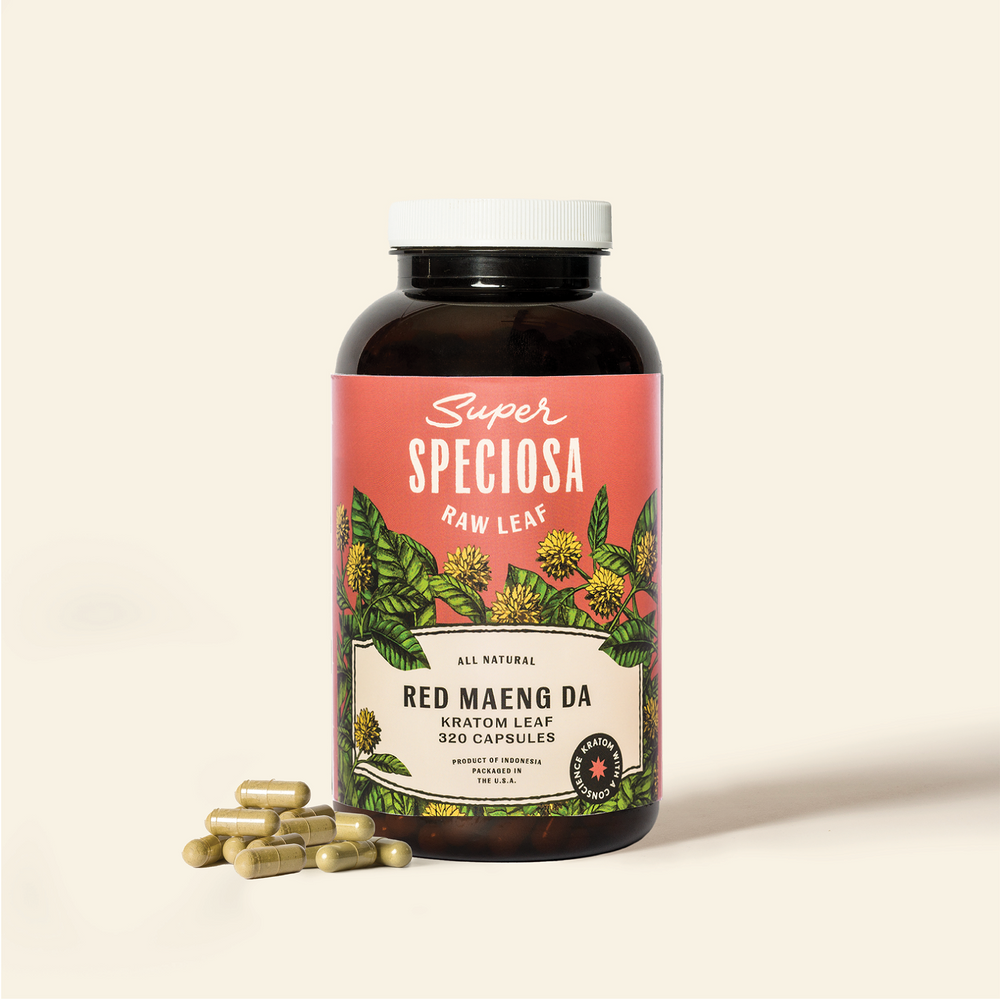
Capsules solve the taste issue without adding anything to the formula. Each one holds a pre measured amount of the same powder, so there is no bitterness, no scale, and no mess. That convenience is why kratom capsules are one of the easiest ways to take Bali, especially for beginners or anyone taking kratom away from home.
Tea is the traditional preparation. Brewing crushed leaf in hot water is the oldest way kratom has been used, and some people prefer the ritual of it. The serving depends on how it is brewed, and the flavor can be softened with sweeteners or other herbs.
Extract is the most concentrated option. Because the alkaloids are concentrated into a smaller amount, extracts are stronger by volume and better suited to experienced users who already know how they respond to kratom. They are not the place to start, but they are an option once you understand your own tolerance.
Whichever format you choose, the responsible approach is the same. Start with a smaller serving when you are new to a strain, follow the directions on the label, and give it time before deciding whether to adjust. If you are weighing the most common two formats, our guide to kratom powder vs. capsules breaks down the practical tradeoffs.
How Long Do Bali Kratom Effects Last?
Like most kratom, Bali is generally reported to last in the range of a few hours, though there is no exact number that holds true for everyone. Duration is one of those things that varies with the same factors that shape the rest of the experience.
Serving size is the biggest one. A larger serving tends to be reported as lasting longer than a smaller one. Format plays a part too, since a liquid like an extract is generally felt sooner than a capsule or powder that has to break down first, though that affects onset more than total duration. And your own physiology, body weight, metabolism, and tolerance, rounds it out, which is why two people rarely report the exact same timing.
The practical takeaway is to plan around a general window rather than a precise clock, and to learn how your own body responds before building any expectations around timing. If timing matters for your day, give yourself room the first few times you try a new strain or format.
What to Look for in Quality Bali Kratom
Here is the thing the strain name will never tell you: whether the kratom is any good. "Bali" describes a general profile, but two bags labeled Bali can be worlds apart in quality depending on the leaf, how it was handled, and whether anyone actually verified what is inside. So once you have settled on a strain and a color, the more important questions are about the company behind the bag.
A few things separate quality Bali kratom from a gamble:
Third party lab testing on every batch
Not a vague promise that a product was "tested" at some point, but independent, accredited lab testing done batch by batch for heavy metals, microbial contaminants, and alkaloid content. A single old test on one lot does not tell you what is in the bag you are buying now.
Lab results you can actually see
Testing only counts if you can verify it. Every Super Speciosa product carries a QR code that links to the lab report for that specific batch, so you are reading the data yourself rather than trusting a label. If a company cannot show you results tied to the product in your hand, that is worth noticing.
A clean formula
With plain leaf powder and capsules there should not be much to add, and there usually is not. Super Speciosa keeps its formulas free of artificial food dyes, fillers, and synthetic junk, which is exactly what you want from a product that is supposed to be just kratom.
Manufacturing you can trace
Where and how kratom is processed says a lot. Super Speciosa sources its leaf from trusted farmers in Indonesia and manufactures in house at our FDA registered facility in Fort Lauderdale, Florida, rather than outsourcing to overseas factories. Keeping production under our own roof, from leaf to lab, is how we stay accountable for what ends up in the bag.
None of this is a high bar. It is the baseline any kratom company should clear, and it is the reason we lean on transparency instead of bigger promises. Good Bali kratom is not the bag with the boldest label. It is the one that can show you exactly what is inside.
The Bottom Line on Bali Kratom
Bali kratom earned its place at the front of the shelf the honest way: it is widely available, affordable, and has a reputation as a balanced, approachable strain that works as well for newcomers as it does for longtime users. The name is a piece of trade history rather than a growing location, and the colors are the same leaf dried in different ways, but none of that changes why people keep coming back to it.
If you want to try it, Red Bali is the classic choice for unwinding and Green Bali is the more all purpose pick, both available in the formats that suit how you like to take kratom. You can compare them side by side in the full Bali kratom collection.
Whatever you choose, the question that actually matters is the same one we hold ourselves to: can you see what is inside? Look for batch testing, lab results you can pull up yourself, an honest formula, and a company that controls its own process. That is the standard worth holding any Bali kratom to.
Frequently Asked Questions About Bali Kratom
Is Bali kratom good for beginners?
Bali is often suggested as a beginner friendly strain because it is widely available, affordable, and has a reputation as a balanced, well rounded option rather than a specialist. As with any strain, the smart approach is to start with a small serving, follow the directions on the label, and learn how your body responds before adjusting.
Is Bali kratom actually from Bali?
Mostly no. The name comes from the island's history as a major shipping port for kratom leaving the region, not from where the leaf is grown. Today most Bali kratom, like most kratom in general, is grown in Indonesia, particularly in the Borneo and Sumatra regions.
What is the difference between Red Bali and Green Bali?
Both come from the same plant and the difference is in the vein color, which reflects when the leaf is harvested and how it is dried. Red Bali is the more mature leaf and is typically associated with evening use and relaxation, while Green Bali is positioned as the more balanced, all purpose option that people often choose for daytime. Many users keep both on hand for different times of day.
How is Bali kratom different from Maeng Da?
Both are strain labels rather than separate plants. Bali is generally regarded as a balanced, everyday strain, while Maeng Da is often marketed as a more potent or higher alkaloid option. In practice the experience depends heavily on the specific product, the color, and the serving size, so the labels are a starting point rather than a guarantee of how either will feel.
Is Bali kratom legal?
Kratom's legal status varies by location. It is not regulated at the federal level in the United States, but some states, counties, and cities have their own restrictions. Always check your local and state laws before buying kratom, since availability can differ even within the same state.
The statements in this article have not been evaluated by the Food and Drug Administration. These products are not intended to diagnose, treat, cure, or prevent any disease. Kratom is not approved by the FDA as a dietary supplement. You must be 21 years or older to purchase kratom. Kratom may interact with medications, so consult your healthcare provider before use, and do not use if you are pregnant or nursing. Kratom is not legal in all states; please check your local laws before purchasing.