What Are Kratom Chewables? Everything You Need To Know About Chewing Kratom
WHAT ARE KRATOM CHEWABLES? EVERYTHING YOU NEED TO KNOW ABOUT CHEWING KRATOM

As kratom products continue to expand beyond traditional powders and capsules, more people are coming across terms like kratom chewables or kratom chewable tablets. These products are often marketed as convenient or modern alternatives, but the labeling can be confusing, especially for those trying to understand how they actually differ from other kratom formats.
In many cases, the word “chewable” is used loosely. Some products are meant to be chewed, others are simply small tablets, and some are closer to flavored extract pieces than traditional kratom at all. This lack of consistency makes it harder for consumers to know what they are buying or how one chewable product compares to another.
This article takes an educational approach to kratom chewables. It explains what the term usually means, how chewables differ from other kratom formats, and why many quality-focused brands choose not to offer them. It also outlines clearer, more widely available kratom options for those looking for simplicity and transparency.
What Are Kratom Chewables?
Kratom chewables are products designed to be consumed by chewing rather than swallowing whole or mixing with a liquid. In practice, the term can describe several different product types, which is where much of the confusion begins.
Depending on the brand, kratom chewables may refer to:
- Pressed kratom tablets intended to be chewed
- Flavored tablets made with kratom extracts
- Small, dense pieces labeled as chewable for convenience
- Products that are chewable in theory but unpleasant in texture or taste
Unlike kratom powder or capsules, chewables are almost always manufactured products. They are pressed, shaped, and often combined with additional ingredients to hold them together or improve flavor. Because of this, they tend to involve more processing than traditional kratom formats.
Another important distinction is that many kratom chewable tablets rely on extracts rather than plain leaf powder. This is not always obvious from the front label, and ingredient details may be buried in fine print. As a result, two products both labeled as kratom chewables can be very different in terms of composition and strength.
For consumers researching kratom chewables, it helps to understand that the term describes a method of consumption rather than a standardized product category. There is no universal definition, which is why chewable kratom products can vary so widely from one brand to another.
Are Kratom Chewables the Same as Kratom Tablets?
Kratom chewables and kratom tablets are often used interchangeably in product listings, but they are not always the same thing. Understanding the difference requires looking beyond the name on the label and focusing on how the product is made and intended to be used.
Kratom tablets are generally pressed forms of kratom that are meant to be swallowed whole, similar to large pills. Kratom chewable tablets, on the other hand, are designed to be chewed before swallowing. In theory, that sounds like a clear distinction. In practice, many products blur the line.
Some common variations include:
-
Standard kratom tablets - Pressed and dense, typically swallowed rather than chewed because of the common bitter taste they provide.
-
Chewable kratom tablets - Labeled as chewable but often very firm, making them difficult or unpleasant to chew.
-
Extract-based tablets - Made with kratom extracts rather than plain leaf powder, sometimes labeled as chewables for convenience.
- Flavored tablets - Include sweeteners or flavoring agents to make chewing more tolerable.
The lack of consistent definitions means that two products labeled as kratom chewable tablets may have very little in common. One may contain mostly powdered leaf, while another relies heavily on extracts and binding agents. This inconsistency makes it harder for consumers to compare products or understand exactly what they are consuming.
For this reason, chewable labeling should be viewed as a general description rather than a guarantee of product type or composition.
Chewing Kratom vs Other Ways of Using Kratom
Chewing kratom is just one of several ways people encounter kratom products, and it is far from the most common. Comparing chewables to other formats helps clarify why they remain a niche option.
Chewing Raw Kratom Leaves
In regions where kratom grows naturally, fresh leaves have historically been chewed. This practice is uncommon outside of those regions due to availability and practicality. Fresh leaves are not widely sold, and their use does not translate easily to modern markets.
Chewing Kratom Chewables or Tablets
Modern chewable products are manufactured rather than harvested. They are designed for convenience, but they also introduce additional ingredients and processing steps. Chewables offer little flexibility since the formulation is fixed and the product is consumed as-is.
Common considerations with chewables include:
- Strong or lingering taste
- Firm or chalky texture
- Fixed serving size
- Limited ingredient transparency
Using Kratom Powder or Capsules
Powder and capsules remain the most widely used kratom formats. Powder is typically mixed with a beverage or prepared separately, while capsules allow kratom to be swallowed without chewing.
These formats are often preferred because they:
- Contain fewer added ingredients
- Are easier to compare across brands
- Offer more consistency and clarity
Understanding these differences helps explain why chewing kratom is less common than other methods. While chewables may appeal to curiosity or novelty, they are not always the simplest or most transparent option available.
What’s Typically Inside Kratom Chewable Tablets?
One of the biggest differences between kratom chewables and more traditional kratom formats is what goes into them. Because chewables must hold their shape and be palatable enough to chew, they usually contain more than just kratom leaf.
Ingredients commonly found in kratom chewable tablets may include:
-
Kratom extracts - Many chewables rely on extracts rather than plain leaf powder. Extracts are more concentrated and allow manufacturers to keep tablets smaller, but they also make it harder to compare products.
-
Binding agents - These ingredients help tablets maintain their shape. They do not serve the same purpose as kratom itself but are necessary for tablet production.
-
Flavoring or sweeteners - Chewable products often include flavoring to mask the natural taste of kratom, which can be strong when chewed.
-
Fillers or stabilizers - Additional ingredients may be added to improve texture, shelf stability, or appearance.
Because these products can include multiple non-kratom ingredients, reading labels carefully becomes more important. Two kratom chewable tablets may look similar but contain very different formulations. In some cases, the kratom content itself may be less prominent than the supporting ingredients that make the product chewable.
This added complexity is one reason chewables can feel less transparent than simpler kratom formats. With powder or capsules, the ingredient list is usually shorter and easier to understand at a glance.
Potential Downsides of Kratom Chewables
Kratom chewables are often marketed around convenience, but convenience can come with tradeoffs. While these products may appeal to people looking for something different, there are several practical reasons why chewables remain a niche option.
Some commonly noted limitations include:
-
Fixed formulation - Chewables are pre-measured and pre-made, which leaves little room for personalization or adjustment.
-
Reduced clarity - When extracts, binders, and flavoring agents are combined, it can be harder to tell how much kratom is actually present.
-
Taste and texture challenges - Even flavored chewables can have a chalky or bitter taste that some people find unpleasant.
-
Difficulty comparing products - Because chewables vary widely in composition, comparing one brand to another is not always straightforward.
-
Less availability from established brands - Many quality-focused kratom companies choose not to offer chewables due to concerns around consistency and ingredient transparency.
These factors do not mean chewables are inherently good or bad. They simply highlight why chewable kratom products are not as widely adopted as powders or capsules. For many consumers, simpler formats provide a clearer understanding of what they are using without additional layers of processing.
Why Super Speciosa Does Not Sell Kratom Chewables
Super Speciosa does not currently sell kratom chewables, and that choice is intentional. It reflects a broader focus on clarity, consistency, and ingredient transparency rather than novelty-driven formats.
As outlined earlier, kratom chewables can vary widely in composition. Many rely on extracts, binding agents, and flavoring ingredients that make it harder to understand how much kratom is included or how one product compares to another. This lack of standardization can create confusion, especially for people trying to make informed decisions.
Super Speciosa prioritizes kratom formats that are:
- Clearly defined and easy to understand
- Consistent from batch to batch
- Straightforward to label and explain
- Focused on the kratom leaf itself rather than heavy processing
By avoiding chewable tablets, the brand is able to maintain simpler ingredient lists and clearer expectations. This approach aligns with an education-first philosophy that values transparency over trends and avoids formats that may introduce unnecessary complexity.
Rather than offering every product type on the market, Super Speciosa focuses on kratom forms that allow customers to better understand what they are purchasing and why.
Kratom Forms Available at Super Speciosa (Alternatives to Chewables)
For those exploring kratom chewables out of curiosity or convenience, there are several alternative formats that provide a clearer and more widely used experience. These options avoid the added processing found in chewables while offering flexibility and consistency.
Kratom Tablets
Kratom tablets are one of the clear choices here for individuals who are interested in kratom chewables. Although they aren’t as popular compared to kratom forms such as powder or capsules, tablets can provide an incredible experience.
Kratom Powder
Kratom powder is the most traditional and widely recognized format. It is made from finely ground kratom leaves and contains no binding agents or flavoring by default.
Why many people choose powder:
- Simple, single-ingredient format
- Easy to understand and compare
- Flexible preparation options
Kratom Capsules
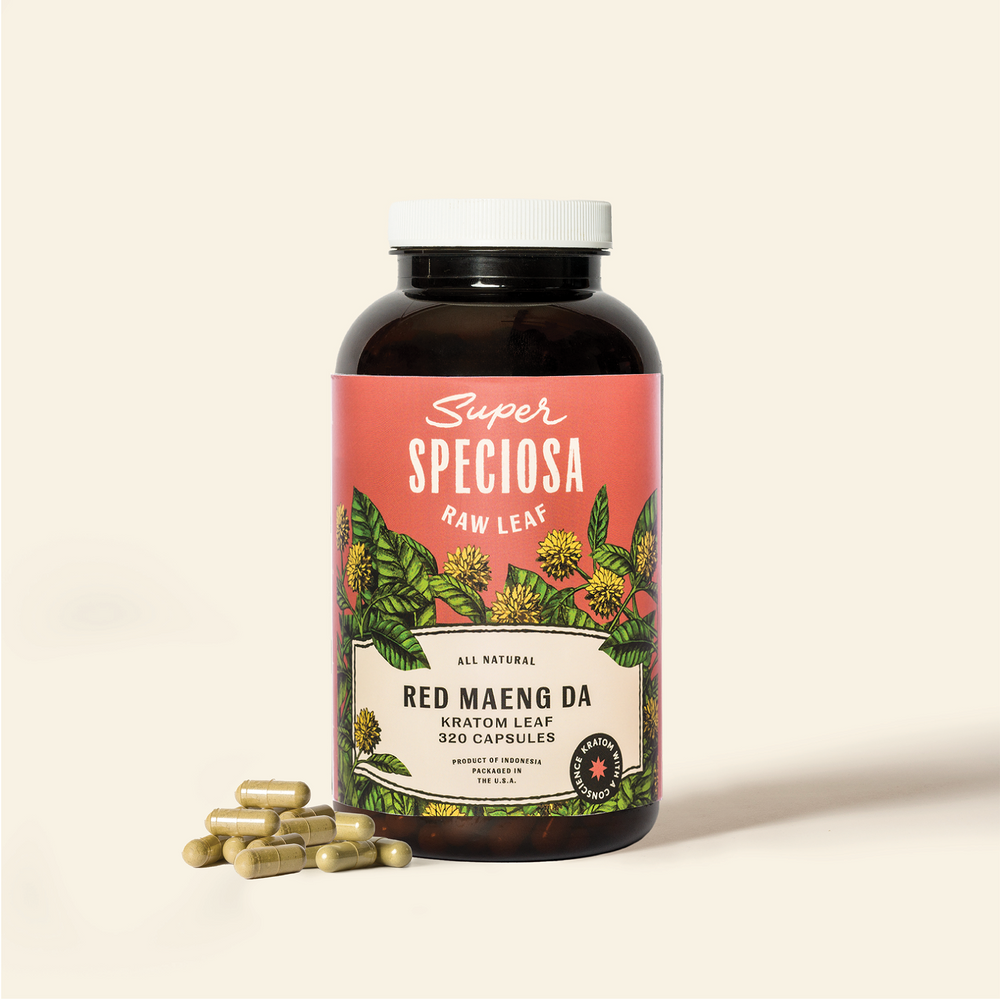
Kratom capsules offer a convenient alternative for those who prefer not to taste kratom or chew tablets. They contain kratom powder enclosed in a capsule, without the need for additional binders or sweeteners.
Common reasons capsules are preferred:
- Pre-measured and easy to use
- No chewing required
- Minimal added ingredients
Kratom Gummies
Kratom gummies provide a chewable-style option without relying on compressed tablets or extract-heavy formulations. While they include flavoring for palatability, they are designed as a distinct product rather than a rebranded tablet.
Why gummies appeal to some users:
- Familiar format
- More controlled formulation than tablets
- Clear distinction from extract-based chewables
These formats offer alternatives to kratom chewables that emphasize ingredient clarity and consistency. For many consumers, choosing a simpler format makes it easier to understand how kratom fits into their routine without relying on heavily processed or loosely defined products.
How to Choose the Right Kratom Format
With so many kratom products available, choosing the right format often matters more than choosing a specific strain or product name. Formats like chewables, tablets, powders, and capsules each come with tradeoffs, and understanding those differences can help reduce confusion.
When comparing kratom formats, it can be helpful to focus on a few practical questions:
- How many ingredients are included beyond kratom itself?
- Is the product clearly labeled and easy to understand?
- Can you compare it easily to similar products from other brands?
- Does the format prioritize simplicity or novelty?
Chewable kratom products often appeal because they seem convenient or different. However, that convenience can come with added processing, more ingredients, and less clarity around formulation. For many people, simpler formats make it easier to understand what they are using and why.
Powder, capsules, and gummies tend to offer clearer distinctions between products. They also make it easier to evaluate sourcing, consistency, and transparency without relying on marketing language. Choosing a format that aligns with those priorities often leads to a more informed and straightforward experience.
Thoughts on Kratom Chewables
Kratom chewables are a product category defined more by marketing language than by clear standards. While the idea of chewing kratom may sound appealing to some, the reality is that chewables often involve added ingredients, heavier processing, and less transparency than other formats.
Understanding what kratom chewables actually are, and how they differ from tablets, powder, or capsules, helps set realistic expectations. For many consumers, simplicity and clarity matter more than novelty, especially when comparing products across brands.
By focusing on well-defined kratom formats and clear labeling, it becomes easier to make informed decisions without relying on loosely defined product terms. An education-first approach helps cut through confusion and places the emphasis back on transparency, consistency, and understanding rather than trends.
Frequently Asked Questions About Kratom Chewables
What are kratom chewables made of?
Kratom chewables are typically made from kratom extracts or powder combined with binding agents and, in many cases, flavoring ingredients. The exact formulation can vary widely by brand.
Are kratom chewables the same as extracts?
Not always, but many chewables rely on extracts to keep tablets small and dense. This is why reading ingredient labels is important when comparing products.
Is chewing kratom better than swallowing capsules?
Neither method is universally better. Chewing kratom introduces taste and texture considerations, while capsules avoid those factors and tend to contain fewer added ingredients.
Why do kratom chewable tablets vary so much?
There is no standard definition for kratom chewables. Different manufacturers use the term to describe different products, which leads to inconsistency across the market.
What is the simplest kratom format?
Kratom powder and capsules are generally considered the simplest formats because they involve fewer ingredients and less processing compared to chewables or tablets.