Synthetic Kratom Explained: Real Leaf vs Lab-Made 7-OH (2026)
SYNTHETIC KRATOM EXPLAINED: REAL LEAF VS LAB-MADE 7-OH (2026)

On July 1, 2026, the DEA filed notices to place concentrated 7-hydroxymitragynine and three related lab-made compounds into Schedule I of the Controlled Substances Act, with the order expected to take effect as early as August 5. Natural leaf kratom was left alone.
Synthetic kratom means products built on lab-concentrated or chemically converted 7-OH, a trace alkaloid that makes up roughly 0.05% of the natural leaf. Real kratom is the dried, ground leaf of Mitragyna speciosa, with mitragynine as its primary alkaloid.
That one distinction now separates a federally scheduled substance from the kratom powder people have been buying for years. Here's how to tell them apart, and why regulators finally drew the line.
What is synthetic kratom?
"Synthetic kratom" describes a category of products, most of them tablets, gummies, and shots, that concentrate 7-hydroxymitragynine far beyond anything the plant produces. Some brands isolate the trace amounts found in leaf material. Most take a cheaper route: converting mitragynine into 7-OH through a chemical reaction, which is why researchers call the resulting compound semi-synthetic. Either way, the finished product behaves less like a botanical and more like a single, concentrated drug wearing the plant's name.
The numbers explain why the plant can't do this on its own. Dried kratom leaf contains about 1–2% mitragynine by weight, along with dozens of minor alkaloids like speciogynine and paynantheine. Natural 7-OH sits near 0.05% of the leaf, and the World Health Organization's pre-review of kratom notes some fresh leaf samples carry too little to measure. A tablet advertising 15 mg of 7-OH has no practical way to get there from leaf alone.
So is kratom natural or synthetic? The leaf itself is a natural botanical, full stop. The synthetic label belongs to lab-made 7-OH products that borrow kratom's name for marketing.
Real kratom leaf vs lab-made 7-OH: key differences
The cleanest way to see the gap is side by side. These are two different products that happen to share a name on the label.
|
Real kratom leaf |
Lab-made 7-OH products |
|
|---|---|---|
|
Source |
Dried, ground Mitragyna speciosa leaf |
Chemically converted or isolated 7-OH |
|
Dominant compound |
Mitragynine, plus the leaf's full alkaloid profile |
One concentrated compound |
|
7-OH content |
Trace, around 0.05% |
Many times anything found in nature |
|
Typical format |
Powder, capsules, crushed leaf tea |
Isolate tablets, dissolvable strips, gummies |
|
Behavior in the body |
Mitragynine acts as a partial agonist at opioid receptors, with other alkaloids moderating it |
Concentrated 7-OH binds those receptors far more strongly, with nothing moderating it |
|
Federal status (August 2026) |
Legal botanical, exempt from the DEA order |
Schedule I under the DEA's temporary scheduling order |
Why potency is the whole issue
Published pharmacology research puts 7-OH's opioid-receptor potency at multiples of mitragynine's, with estimates running from several-fold to more than 40-fold depending on the study. Whole leaf keeps that compound at trace levels inside a crowd of moderating alkaloids. Strip it out and concentrate it, and the built-in ceiling disappears.
Think of the difference between drinking a cup of coffee and swallowing a fistful of caffeine powder. Same molecule family, completely different risk profile. That's the core of the difference between kratom and 7-OH, and it's the exact reasoning federal regulators used when they split the two apart.
What is synthetic kratom called on labels?
Almost never "synthetic." That word doesn't sell, so manufacturers reach for chemistry shorthand instead. On packaging you'll see 7-OH, 7-hydroxy, or the full name 7-hydroxymitragynine, usually with a milligram count printed bigger than anything else on the label. A product leading with "15 mg 7-OH per tablet" is telling you what it is, even while the word "kratom" sits right above it.
The American Herbal Products Association took a formal position against this naming practice, warning that labeling concentrated 7-OH as kratom misleads consumers. Media coverage has been blunter, tagging the gas-station tablet category "gas station heroin."
A newer wrinkle: some brands pivoted to related lab-made compounds like mitragynine pseudoindoxyl, MGM-15, and MGM-16 to dodge 7-OH restrictions. The DEA closed that door by naming all three in the same Schedule I order. If the headline ingredient is a compound you'd need a chemistry degree to recognize, you're not looking at leaf.
Does synthetic kratom feel the same as real kratom?
No, and the chemistry explains why without anyone needing to test it on themselves. A concentrated single compound hitting opioid receptors at full strength behaves differently from a botanical where that same compound exists in traces, surrounded by alkaloids that temper it.
The FDA has stated that concentrated 7-OH products haven't been shown safe or effective for any use, and federal health officials describe their profile as fast-acting and fast-fading, a pattern that encourages users to redose sooner. Whole leaf runs in the opposite direction. It's bitter and bulky, and a typical kratom serving involves grams of plant material rather than milligrams of an isolate, which acts as a natural brake on how much anyone takes.
Different compound, different pace. Sharing a shelf doesn't make them the same product.
Is synthetic kratom legal? The 2026 crackdown, in order
Concentrated 7-OH products are now Schedule I substances under a temporary federal order. Natural leaf kratom remains federally legal. Here's how it unfolded:
-
July 15, 2025: The FDA sent warning letters to seven companies illegally marketing 7-OH products, citing unapproved drug claims.
-
July 29, 2025: The FDA formally recommended scheduling concentrated 7-OH under the Controlled Substances Act.
-
2025, state level: Colorado passed the Daniel Bregger Act limiting 7-OH content, Florida placed 7-hydroxymitragynine on its state Schedule I by emergency rule, and other states set caps or bans of their own.
-
July 1, 2026: The DEA announced temporary Schedule I control of 7-OH above a specified threshold, plus mitragynine pseudoindoxyl, MGM-15, and MGM-16. The notices hit the Federal Register on July 6.
-
August 5, 2026: The earliest date the temporary orders could take effect, lasting two years while permanent scheduling is considered.
The part that matters for anyone who buys leaf products: the DEA states the action does not apply to botanical kratom containing naturally occurring 7-OH below the specified threshold. Regulators went out of their way to aim at the concentrate and spare the plant.
How to tell real kratom from synthetic 7-OH products
You don't need a lab of your own. Four checks settle it:
-
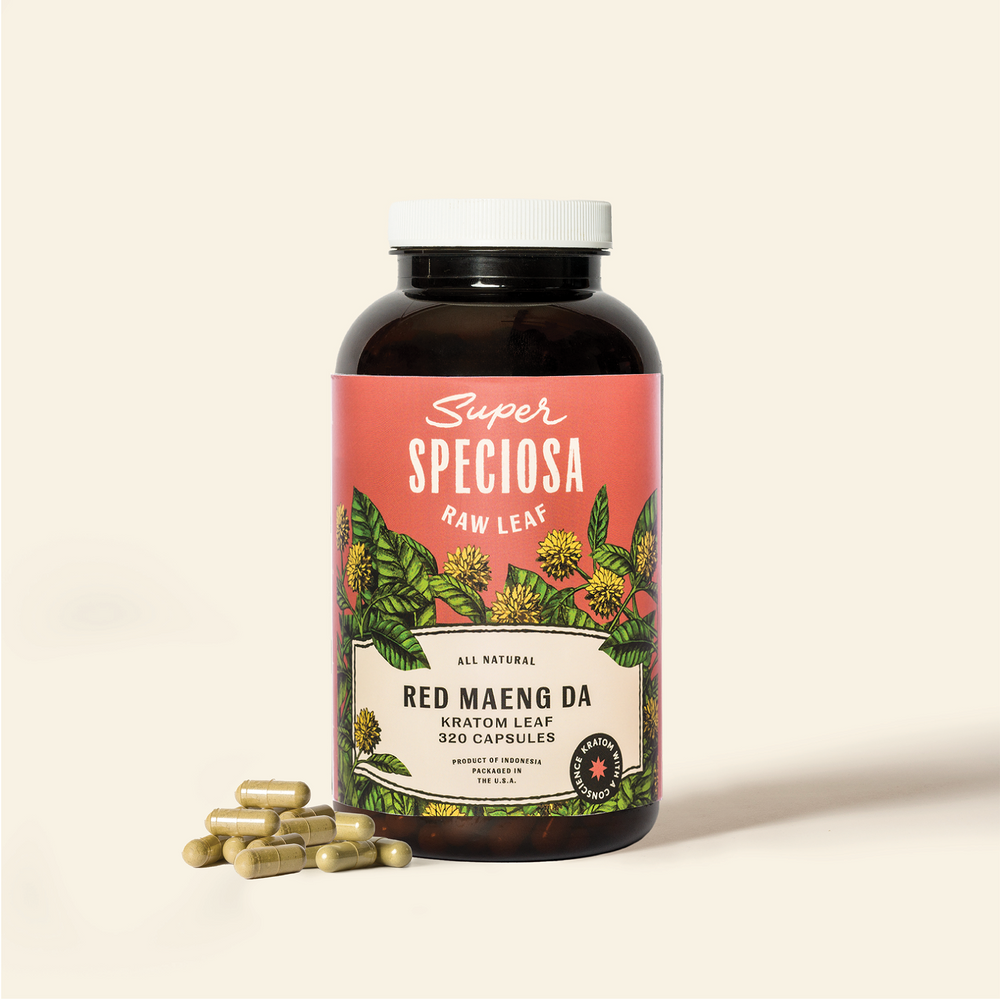
Look at the format. Powder, capsules filled with plain leaf, and crushed-leaf tea are how natural kratom is sold. Dissolvable or sublingual tablets headlining a 7-OH milligram count are built around the isolate. (Pressed whole-leaf tablets are a different thing entirely; their labels list ground leaf, not an isolated compound.)
-
Read the lab report before you buy, and walk away if there isn't one. Every Super Speciosa bag carries a QR code linking to third-party results for that specific batch, tested for heavy metals, microbial contaminants, and alkaloid content. A seller who can't or won't show you testing has answered your question already.
-
Check the alkaloid profile on the certificate of analysis. Real leaf shows mitragynine alongside the plant's minor alkaloids. A product that's essentially one concentrated compound isn't leaf, whatever the packaging says.
-
Consider where it's made and sold. Our kratom is manufactured in an FDA-registered facility in Fort Lauderdale, following cGMP standards, and never outsourced overseas. A display case by a gas-station register offers none of that accountability.
Marketing can say anything. A batch-specific lab report can't.
Where Super Speciosa stands
We sell leaf. That's the whole position. We don't sell 7-OH products and won't start, because concentrated isolates run against everything worth trusting about this plant. Our kratom was selected for the first FDA clinical study on kratom, and every batch leaves Fort Lauderdale with its lab report a QR scan away.
If the news about the DEA order sent you here checking what's in your own stash, start with lab-tested kratom capsules or browse our best sellers. Scan the code on the bag. That's what buying the real thing looks like. Buy kratom online from a brand with over 100,000+ customers and over 10 years of experience!
Frequently asked questions
Is 7-OH synthetic?
The 7-OH in commercial tablets and gummies is semi-synthetic: manufacturers chemically convert mitragynine into 7-hydroxymitragynine in a lab. The kratom leaf does produce trace 7-OH naturally, around 0.05%, but no leaf contains anywhere near the concentrations these products advertise.
Is synthetic kratom banned?
Concentrated 7-OH products are now Schedule I substances under the DEA's temporary scheduling order, announced July 1, 2026 and effective as early as August 5, 2026. The order runs for two years while permanent scheduling is considered. Several states restricted these products even earlier.
Is kratom a synthetic opioid?
No. Kratom is a natural botanical, the leaf of Mitragyna speciosa, a Southeast Asian tree in the coffee family. Its alkaloids interact with opioid receptors, which is a different thing from being an opioid, and the whole leaf is chemically nothing like lab-made opioids or concentrated 7-OH isolates.
Does the DEA order affect regular kratom powder?
No. The DEA states its action does not apply to botanical kratom products containing naturally occurring 7-OH below the specified threshold. Leaf powder, leaf capsules, and crushed-leaf tea remain federally legal.
What is synthetic kratom called in stores?
Look for 7-OH, 7-hydroxy, or 7-hydroxymitragynine on the label, usually with a bold milligram count. Newer products use related lab-made compounds like mitragynine pseudoindoxyl, MGM-15, or MGM-16. Any of those names on the front of the package means you're holding an isolate product, not leaf.
These statements have not been evaluated by the Food and Drug Administration. This product is not intended to diagnose, treat, cure, or prevent any disease. Individual responses vary. Consult your healthcare provider before starting any botanical product, especially if you take medication or have a medical condition.