Kratom vs THC: What’s the Difference?
KRATOM VS THC: WHAT’S THE DIFFERENCE?

If you’ve been researching plant-based products, you’ve probably come across both kratom and THC and maybe even seen them mentioned in the same conversations. But despite the overlap, these two products have some similarities as well as multiple key differences.
Kratom comes from the leaves of the Mitragyna speciosa tree, while THC (tetrahydrocannabinol) is a compound found in the cannabis plant. One of the biggest sources of confusion is that THC is often used interchangeably with “weed” or “marijuana,” even though it’s just one component of the plant.
Understanding the difference between kratom vs THC is important if you’re trying to choose what fits your lifestyle, preferences, or routine.
In this guide, we’ll break down:
- What kratom and THC actually are
- How they differ in structure and experience
- Key factors like legality and drug testing
- How to decide which option aligns with your needs
Quick Comparison: Kratom vs THC
To simplify things, here’s a side-by-side look at kratom vs THC:
|
Feature |
Kratom |
THC |
|
Source |
Mitragyna speciosa (tropical tree leaf) |
Cannabis plant |
|
Compound Type |
Alkaloids (e.g., mitragynine) |
Cannabinoid (tetrahydrocannabinol) |
|
Category |
Botanical (non-cannabis) |
Cannabis-derived compound |
|
Psychoactive? |
Mild psychoactive properties |
Psychoactive compound |
|
Typical Context of Use |
Personal routines, plant-based alternatives |
Recreational or cannabis-related use |
|
Legal Status |
Legal in many U.S. states (varies locally) |
Federally restricted; legal in some states |
|
Drug Testing |
Not typically included in standard panels |
Commonly detected in drug tests |
What This Comparison Shows
The most important takeaway is this:
Kratom and THC are not in the same category
- Kratom is a plant-based product that contains naturally occurring alkaloids
- THC is a cannabinoid specifically found in cannabis
This means they:
- Come from different plants
- Interact with the body differently
- Are typically used in different contexts
Where Kratom Fits In
Many people explore kratom as a non-THC alternative, especially if they’re looking to avoid cannabis-derived products.
Super Speciosa offers a variety of high-quality kratom options designed to fit different preferences, including:
- Kratom powder for maximum flexibility
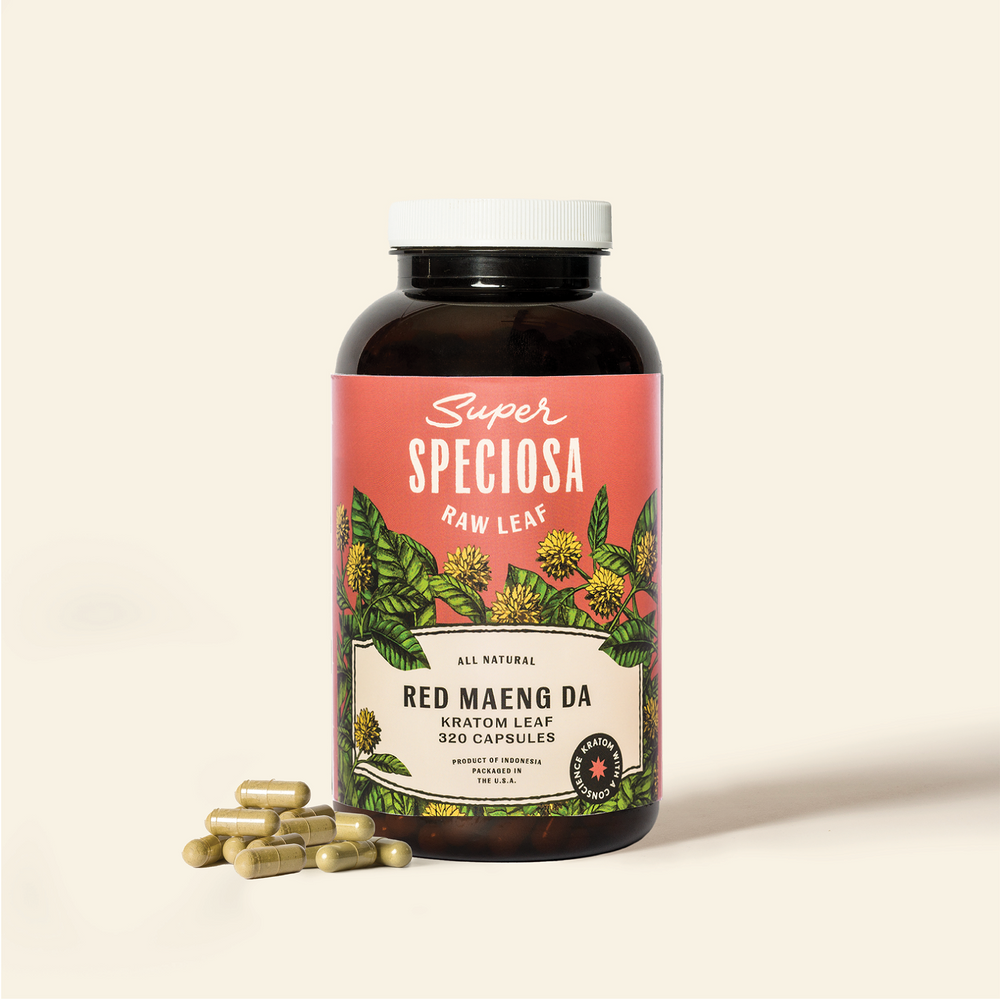
- Kratom capsules for simple, consistent use
- Kratom gummies for an easy, approachable option
These formats make it easier to incorporate kratom into a routine without overcomplicating your day.
What Is Kratom?
Kratom comes from the leaves of the Mitragyna speciosa tree, a tropical plant native to Southeast Asia. For generations, it has been traditionally used in countries like Thailand and Indonesia as part of daily routines and cultural practices.
What makes kratom distinct is its natural composition. The leaves contain active compounds known as alkaloids, primarily mitragynine and 7-hydroxymitragynine. These compounds interact with receptors in the body differently than cannabinoids like THC.
Super Speciosa offers all of these formats, giving users flexibility depending on their preferences:
- Premium kratom powder for customizable routines
- Easy-to-use kratom capsules for convenience
- Flavorful kratom gummies for a more approachable experience
Why People Explore Kratom
Kratom is often considered by individuals looking for a non-cannabis, plant-based option. Because it is not derived from cannabis and does not contain THC, it exists in a completely separate category.
People may explore kratom for reasons such as:
- Wanting to avoid THC or cannabis products
- Preferring plant-based alternatives
- Looking for flexible formats that fit into daily routines
What Is THC?
THC, short for tetrahydrocannabinol, is a naturally occurring compound found in the cannabis plant. It belongs to a class of compounds known as cannabinoids, which interact with the body’s endocannabinoid system.
One of the biggest sources of confusion is that THC is often used interchangeably with cannabis itself, but technically, THC is just one compound within the plant, not the plant as a whole.
Common Types of THC: Delta 8 vs Delta 9
When comparing kratom vs THC, it’s helpful to understand that THC comes in different forms, most commonly:
-
Delta 9 THC
- The primary compound associated with traditional cannabis
-
More widely recognized and regulated
-
Delta 8 THC
- A hemp-derived variant
- Chemically similar to Delta 9, but often described as milder
Both are cannabinoids, meaning they interact with the body differently than kratom’s alkaloids.
Key Difference: THC vs Kratom
This is where the distinction becomes clear:
- Kratom = plant-based product with alkaloids
- THC = cannabinoid compound found in cannabis
They are not interchangeable, and they do not belong to the same category of products.
Why This Distinction Matters
Understanding the difference between kratom and THC helps you:
- Avoid confusion when researching products
- Make more informed decisions
- Choose options that align with your personal preferences
Kratom vs THC: Key Differences
While kratom and THC are sometimes mentioned together, they are fundamentally different in how they’re sourced, how they interact with the body, and how people typically use them.
Let’s break this down in a clear, practical way.
Plant Source vs Cannabinoid System
- Kratom comes from the Mitragyna speciosa tree and contains naturally occurring alkaloids
- THC is a cannabinoid found in the cannabis plant
This is the most important distinction:
Kratom is not a cannabinoid, and THC is not a plant, it’s a compound within cannabis
How They Interact With the Body
Kratom and THC interact with the body in completely different ways.
- Kratom works through its alkaloid profile, which interacts with certain receptors
- THC interacts with the body’s endocannabinoid system, specifically CB1 receptors
Because of this, they produce different types of experiences, rather than being direct substitutes for one another.
Psychoactive Differences
Another major difference between THC vs kratom is how they are classified:
- THC is widely recognized as a psychoactive compound
- Kratom is not classified as THC and is often considered separately from cannabis products
This distinction is one of the main reasons people explore kratom as a non-THC alternative.
Experience & Context of Use
Kratom and THC are often used in very different contexts:
- Kratom is commonly incorporated into personal routines, often in formats like powder, capsules, or gummies
- THC is typically associated with cannabis-related use, including recreational or regulated settings
Rather than comparing them directly, it’s more helpful to think of them as serving different preferences and lifestyles.
Side-by-Side Summary
At a high level:
- Kratom = Plant-based alkaloid product (non-cannabis)
- THC = Cannabis-derived cannabinoid
They are not interchangeable, and understanding this difference makes it much easier to evaluate your options.
Kratom vs Weed: Are They the Same Thing?
This is one of the most common points of confusion and one of the biggest opportunities for clarity.
No, kratom and weed are not the same thing.
Understanding the Terminology
- Weed / Marijuana = The cannabis plant
- THC = A compound found inside cannabis
- Kratom = A completely separate plant (Mitragyna speciosa)
So when people compare kratom vs weed, they’re actually comparing:
- One plant (kratom)
- To a different plant (cannabis)
Why People Get Confused
There are a few reasons this confusion happens:
- Both are plant-derived products
- Both are discussed in similar online spaces
- THC is often used as shorthand for cannabis
But once you separate the terms, it becomes much clearer: Kratom and cannabis come from entirely different plants with different compositions.
Key Differences Between Kratom and Weed
-
Origin:
- Kratom → Southeast Asian tree
- Weed → Cannabis plant
-
Primary Compounds:
- Kratom → Alkaloids
- Weed → Cannabinoids (including THC)
-
Category:
- Kratom → Non-cannabis botanical
- Weed → Cannabis product
Why This Matters for Consumers
Understanding the difference helps you:
- Avoid misinformation
- Choose products that align with your preferences
- Navigate legality and expectations more clearly
For example, someone looking to avoid THC entirely may choose kratom specifically because it exists outside of the cannabis category.
Kratom vs THC Effects Comparison
When comparing kratom vs THC, one of the most common questions is how they feel. While both are plant-derived, their effects are often described very differently—and experiences can vary widely from person to person.
How Kratom Is Typically Described
Kratom is often discussed in terms of its strain-dependent and serving-dependent nature.
Some individuals describe kratom as:
- Versatile depending on the type (red, green, white)
- Suitable for different times of day
- Not associated with traditional THC-related psychoactivity
Because of this, kratom is often included in structured personal routines, especially by those who prefer non-cannabis options.
How THC Is Typically Described
THC is widely recognized as a psychoactive compound found in cannabis.
Depending on the type (Delta 8 vs Delta 9), it is often described as:
- Producing noticeable psychoactive effects
- Varying in intensity depending on the product
- Commonly associated with recreational or regulated use
Because THC interacts with cannabinoid receptors, it is typically chosen by individuals specifically seeking a cannabis-related experience.
Key Takeaway: Different Categories, Different Experiences
Rather than comparing kratom and THC as direct alternatives, it’s more accurate to view them as completely different categories:
- Kratom → Plant-based alkaloid product (non-THC)
- THC → Cannabis-derived cannabinoid
Your experience will depend on your preferences, expectations, and how each fits into your routine.
Safety Considerations & Responsible Use
When comparing kratom and THC, safety and responsible use should always be a priority.
General Best Practices
- Start with a low amount when trying something new
- Avoid combining substances unless you understand how they affect you
- Pay attention to your body’s response
- Keep your routine simple and consistent
Quality Matters
No matter which option you explore, product quality is critical.
Look for:
- Third-party lab testing
- Transparent sourcing
- Clear labeling
Super Speciosa is known for its commitment to quality and transparency, offering kratom products designed with consistency and reliability in mind.
Important Disclaimer
Kratom and THC products are not approved by the FDA to diagnose, treat, cure, or prevent any disease. This content is for educational purposes only.
Legal Differences Between Kratom and THC
Legality is one of the biggest distinctions between kratom and THC.
Kratom Legal Status
Kratom is legal in many U.S. states, though some local restrictions apply.
Because laws can change, it’s always best to:
- Check your state and local regulations
- Purchase from reputable, compliant vendors
THC Legal Status
THC legality depends on the form and location:
- Delta 9 THC → Federally restricted, state-dependent legality
- Hemp-derived THC → Legal under certain federal limits
- State laws vary widely
Key Takeaway
- Kratom → Widely legal with some local restrictions
- THC → Heavily regulated and state-dependent
Can You Take Kratom and THC Together?
Some people ask whether kratom and THC can be used together.
There is limited research on combining these substances, and individual responses can vary.
Best Practices
- Avoid combining substances, especially if you’re inexperienced
- Understand how each affects you individually first
- When in doubt, keep your routine simple
How to Choose Between Kratom and THC
Choosing between kratom vs THC comes down to your personal preferences and lifestyle.
You Might Prefer Kratom If You:
- Want a non-THC, plant-based option
- Prefer products outside of cannabis
- Value flexibility in formats (powder, capsules, gummies)
Super Speciosa offers:
- Premium kratom powder
- Convenient capsules
- Easy-to-use gummies
You Might Prefer THC If You:
- Are specifically looking for a cannabis-related experience
- Live in a state where THC is legal
- Prefer cannabinoid-based products
It Comes Down to Personal Fit
There’s no universal “better” option, only what aligns with your:
- Preferences
- Routine
- Comfort level
Picking Between Kratom and THC
Kratom and THC are often grouped together, but they belong to entirely different categories.
- Kratom stands apart as a non-cannabis botanical option
- THC is a cannabinoid found in cannabis
Understanding these differences makes it easier to choose what fits your lifestyle and avoid confusion when researching plant-based products.
Frequently Asked Questions (FAQ)
Is kratom the same as THC?
No, kratom and THC are completely different. Kratom contains alkaloids, while THC is a cannabinoid found in cannabis.
Is kratom like weed?
No. Weed refers to the cannabis plant, while kratom comes from a different plant entirely.
Can you mix kratom and THC?
It’s generally recommended to avoid mixing substances unless you fully understand how they affect you.
Which lasts longer, kratom or THC?
Both can last several hours depending on the product and individual response.
Is kratom legal?
Kratom is legal in many areas, but some local restrictions apply. Always check your local laws.