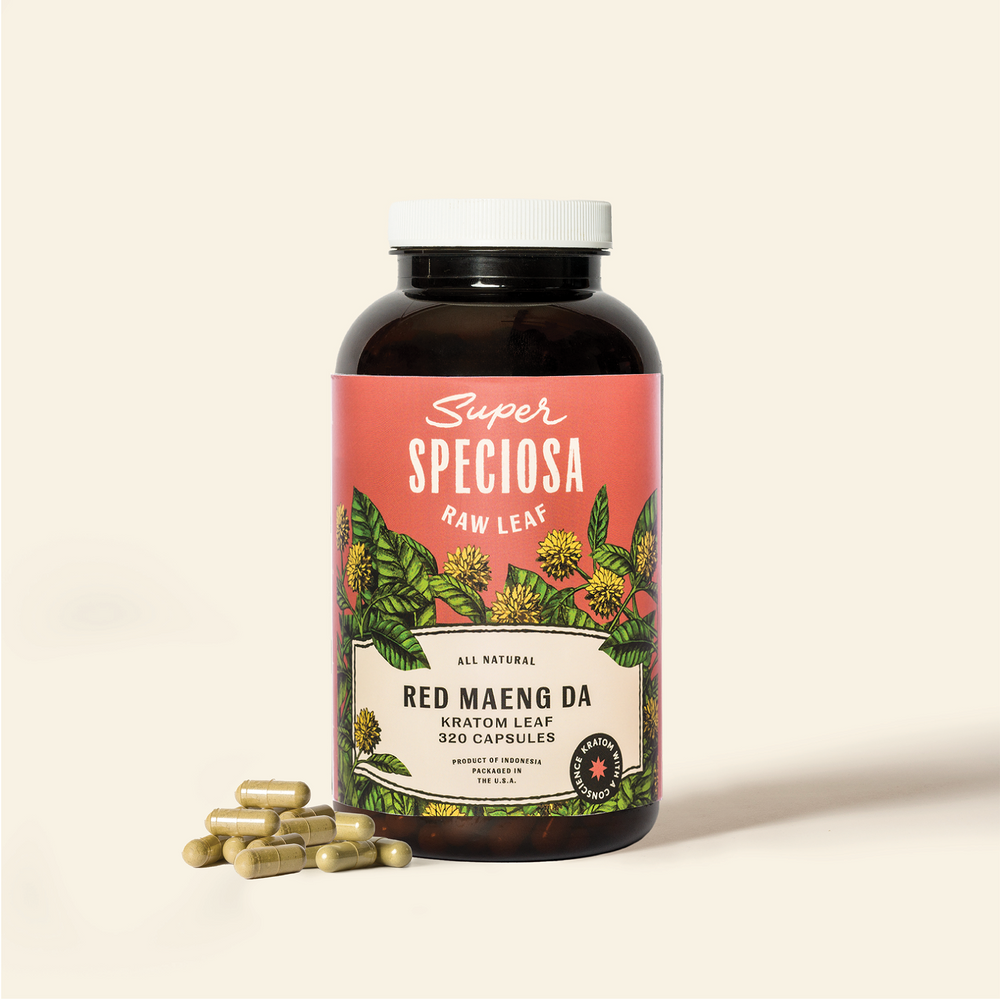
South Carolina Kratom Ban: Senate Hearing May 6 — Register to Speak by Monday Noon
SOUTH CAROLINA KRATOM BAN: SENATE HEARING MAY 6 — REGISTER TO SPEAK BY MONDAY NOON

H.4641 is back for one final push this legislative session. A Senate Medical Affairs Subcommittee will hold a hearing on the bill this Wednesday, May 6 at 9:30 AM — and this is the last chance to stop a bill that would not only ban all kratom in South Carolina but also repeal the state's existing Kratom Consumer Protection Act. Strong turnout and consumer outreach can make the difference. Here's everything you need to know.
Take Action Now
Attending in person and testifying is the most powerful action you can take. The deadline to register to speak is Monday, May 4 at 12:00 PM noon.
-
📅 Wednesday, May 6 at 9:30 AM
-
📍 Gressette Building, Room 209, 1101 Pendleton Street, Columbia, SC 29201
-
🔗 Full action toolkit: protectkratom.org/southcarolina
Want to Speak at the Hearing?
-
📝 Register using the official form: forms.gle/Qzfd3dNoSzoVdfTw9
-
There will also be a sign-in sheet at the meeting
-
Limit remarks to 3 minutes
-
Deadline: Monday, May 4 at 12:00 PM noon
Can't Attend? Two Ways to Still Make an Impact
-
📧 Submit written comments electronically: smedicomm@scsenate.gov — use bill number H.4641 in the subject line. Deadline: Monday, May 4 at 12:00 PM noon.
-
📬 Mail written comments to: SC Senate Medical Affairs Committee, Attn: Research Director, PO Box 142, 412 Gressette Building, Columbia, SC 29202
-
📞 Call committee members directly using the contact list below
What to Say
Write and speak in your own words. Share your personal story — it is what lawmakers remember most. Make these points:
-
You are asking them to vote NO on H.4641
-
Kratom is a natural product used by thousands of responsible adults every day
-
A blanket ban would criminalize law-abiding individuals and repeal the existing Kratom Consumer Protection Act
-
Support reasonable regulation — not prohibition
-
Secretary Kennedy, FDA Commissioner Makary, and former Senator Mullin have all distinguished natural kratom from dangerous synthetic 7-OH — natural kratom should not be scheduled
What H.4641 Would Do
H.4641 would do two things at once — and both are serious.
First, it would add kratom to South Carolina's list of Schedule I controlled substances, making it a crime to buy, sell, or possess any form of kratom in the state. The bill's language is sweeping, covering kratom and any "salt, sulfate, isomer, homologue, analogue, or other preparation of kratom," synthetic or otherwise. There is no distinction between natural kratom leaf and the synthetic, adulterated concentrates that federal regulators have actually flagged as the real public health concern.
Second, and critically, it would repeal the South Carolina Kratom Consumer Protection Act entirely — the law that passed just last year and established a regulated framework protecting consumers through safety standards, age restrictions, and clear labeling.
This is not just a new ban. It is a deliberate rollback of consumer protections that South Carolina already has.
The FDA has drawn a clear line between natural kratom and synthetic 7-OH products, identifying enhanced 7-hydroxymitragynine (7-OH) concentrates as the real concern, not natural kratom leaf. The AHPA has similarly warned against conflating 7-OH with natural kratom. As research discussed on the Huberman Lab podcast and confirmed by an FDA study makes clear, these are fundamentally different products. A blanket ban ignores all of that and punishes the wrong people.
The Right Path Forward
South Carolina already has the right framework in place. The Kratom Consumer Protection Act passed just last year established a regulated market that protects consumers through safety standards, age restrictions, and clear labeling. That law should be enforced and built upon, not repealed and replaced with prohibition.
Secretary Kennedy, FDA Commissioner Makary, and former Senator Mullin have all publicly distinguished between natural kratom and dangerous synthetic 7-OH. South Carolina's Senate should follow that same science-based approach.
The Bigger Picture
South Carolina consumers already proved once that showing up works. When H.4641 came before the House Judiciary Committee earlier this session, consumer testimony shifted the debate — a 70/30 margin in favor of natural kratom led a legislator to introduce an amendment protecting it. A full ban attempt on the House floor was defeated by nine votes.
Now the fight has moved to the Senate. States that have chosen regulation over prohibition have consistently produced better outcomes. South Carolina can stay on the right side of that trend — but only if the Senate hears from consumers before Wednesday.
Register to speak by noon Monday. Submit written comments by noon Monday. Show up Wednesday. For the latest on kratom legality in South Carolina and other states, visit our kratom legality map.