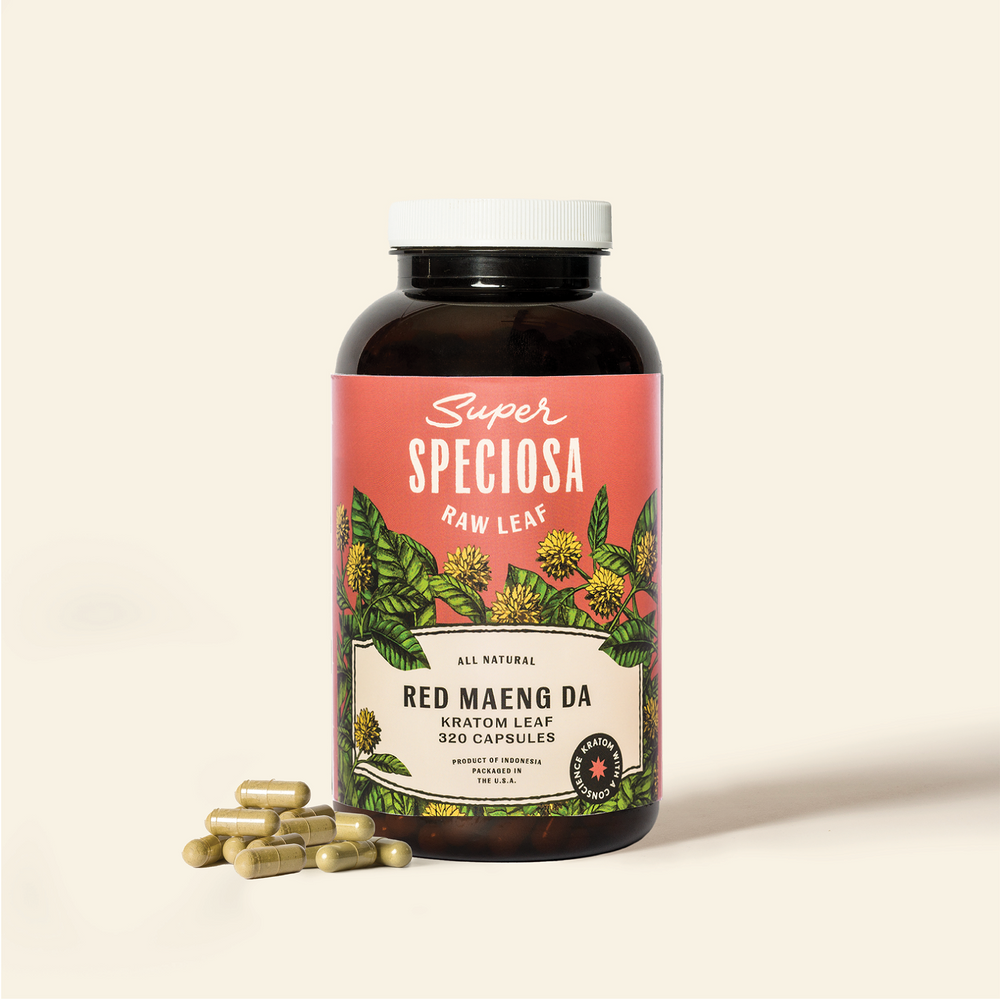
Rhode Island Kratom Law Takes Effect as First State to Flip Prohibition Into Regulations
RHODE ISLAND KRATOM LAW TAKES EFFECT AS FIRST STATE TO FLIP PROHIBITION INTO REGULATIONS

There have been many firsts in the fight for reasonable kratom regulations across the country, but none have been as significant as the recent developments in Rhode Island.
A years-long battle in the state flipped an outright ban into the passage of the Rhode Island Kratom Act, which took effect as of Apr. 1 of this year. After nearly a decade of prohibition in the state, businesses can now apply for licenses to sell kratom in the state, making Rhode Island the first state to flip a law banning kratom into legislation that offers safeguards for natural leaf kratom and reasonable regulations for consumers.
The Road to Regulations
The bill that ultimately flipped the status of kratom in Rhode Island was Senate Bill 792, and it passed with mixed reviews during the 2025 legislative session. That bill set strict restrictions on the chemical makeup of a kratom product, specifically limiting the amount of 7-hydroxymitragynine (7-OH) that can be included in a product legally labeled as kratom.
It also creates a robust set of regulations on everything from label requirements to rules banning products that appeal to children. The law also limits kratom sales to consumers who are at least 21 years of age and requires that products be kept behind the sales counter and only accessible to store employees.
By signing the bill into law, Gov. Dan McKee ended a saga that started with a ban in 2017 and included a veto of a previous attempt to regulate kratom that McKee said was due to a "lack of scientific evidence regarding the safety and efficacy of kratom." McKee's veto came in June of 2024 and cited warnings by the Food and Drug Administration (FDA) about kratom products.
A lot has changed in the time period since that veto, including the FDA announcing plans to target 7-OH products due to a clear distinction between those enhanced products and natural leaf kratom. In his veto letter, McKee incorrectly called 7-OH one of the "main chemical compounds in kratom."
As part of the FDA's new position on kratom, the agency created a carve-out for natural leaf kratom products that contain only trace amounts of 7-OH. The AHPA has similarly reinforced that distinction, warning against labeling enhanced 7-OH products as natural kratom. That refined stance by the FDA is reflected in Rhode Island's new kratom law.
That renewed push toward regulation also led legislators to reject an attempt during the 2026 session to revisit the kratom question in Rhode Island. Rather than fall for scare tactics and the same skewed information that has led other states to restrict access to kratom, lawmakers in Rhode Island affirmed a new approach to the topic based on science and new information from federal agencies.
Reinforcing the Regulations
Rep. Michelle McGaw is one of 10 legislators who signed on to sponsor a new attempt to limit kratom availability in Rhode Island. Rather than target the legality of kratom or sales of the product, House Bill 7518 is a bill that would require kratom products to be stored behind the counter and locked away from consumers until sold.
To make her case, McGaw referenced 10 overdose deaths between 2020 and 2024 that were attributed to kratom and used a similar line of attack that led to the original ban in the state. McGaw's testimony in front of the House Corporations Committee also referenced other states that have recently voted to limit access or refine regulations on a substance she said was referred to as "gas station heroin."
This time, committee members were prepared with science and facts and highlighted the omissions in McGaw's reasoning. Rep. Brian Patrick Kennedy was the first to question McGaw following her testimony.
"You continuously love to refer to (kratom) as 'gas station heroin'... are you aware of the fact that in Rhode Island, the only thing that we are legalizing is natural leaf kratom?" Kennedy said. "We are not legalizing 7-OH, which I believe is what is referred to as gas station heroin."
Kennedy went a step further and introduced information attained from a dosage study conducted by the FDA to dispute further McGaw's assertion that natural leaf kratom posed a significant risk of overdose or death.
Mac Haddow, a senior fellow with the American Kratom Association (AKA), backed Kennedy's line of questioning in his testimony in front of the committee. Haddow presented a product that contained the "same chemicals you shock your backyard pool with" and further explained to the committee how enhanced and adulterated products have harmed responsible kratom consumers and producers.
Kennedy reminded McGaw that the regulatory mechanisms, including labeling requirements, were designed under the guidance of the Department of Health. McGaw said she was aware of "a lot of discussion" around the kratom laws, and could not provide the committee with information about whether the overdoses she referenced involved natural leaf kratom products or those containing artificially enhanced levels of 7-OH.
"I think that kind of information would actually be very helpful to the committee to know if we are talking about an adulterated product that contained something other than the natural leaf," Kennedy said.
On the subject of overdoses attributed to kratom, Haddow also backed Kennedy's assertions and position on natural leaf kratom vs. 7-OH products.
"The poison control centers have now, as of last year, entered a new classification for 7-OH products because they recognize that reports were being confused by parents and by medical professionals claiming that they were natural leaf kratom products because they didn't know better," Haddow said.
Following that back and forth, the committee recommended that the bill be held for further study, and reinforced the new approach to kratom regulation in Rhode Island.
For the latest on kratom legality in Rhode Island and other states, visit our kratom legality map.