What Is the Best Kratom for Pain & Discomfort?
WHAT IS THE BEST KRATOM FOR PAIN & DISCOMFORT?

This content is for educational purposes only and is not medical advice.
When people begin researching kratom, one of the first questions they often encounter online is whether certain types of kratom are better suited for everyday comfort or relaxation. This curiosity is common, especially given kratom’s long history of traditional use across Southeast Asia, where it has been enjoyed in various forms for centuries as part of cultural and social routines.
In modern times, many adults in the U.S. explore kratom as part of their broader wellness or relaxation practices. Users frequently describe incorporating different kratom varieties into their daily routines to support balance, focus, or a general sense of ease. In online forums and community discussions, some individuals also share personal experiences with specific strains when navigating day-to-day physical or mental demands.
It’s important to clearly state that kratom has not been approved by the Food and Drug Administration to diagnose, treat, or manage any medical condition. Experiences with kratom vary widely from person to person and are influenced by factors such as strain selection, serving size, individual body chemistry, and personal expectations.
In this guide, we’ll explore how consumers commonly discuss different kratom strains in the context of comfort and relaxation, what distinguishes these varieties, and how to choose high-quality products responsibly. The goal is to provide clear, educational information — not medical guidance — so you can make informed, mindful decisions as part of your personal wellness journey. You can buy premium kratom online from Super Speciosa to experience our lab-tested kratom products that is trusted by over 100,000+ customers!
Understanding Kratom and Its Alkaloids
Kratom (Mitragyna speciosa) is a tropical evergreen tree native to regions of Southeast Asia, including Indonesia, Malaysia, and Thailand. Its leaves naturally contain a variety of alkaloids — plant-based compounds that contribute to the plant’s overall character and help explain why different kratom varieties are often described differently by users.
These naturally occurring alkaloids are one reason kratom strains can feel distinct from one another, even though they all come from the same plant. How individuals perceive these differences varies widely and depends on many personal and environmental factors.
The Key Alkaloids: Mitragynine and 7-Hydroxymitragynine
Mitragynine is the most abundant alkaloid found in kratom leaves and is generally considered the plant’s dominant natural compound. Another alkaloid often mentioned in research and online discussions is 7-hydroxymitragynine, which is present in much smaller amounts.
While both alkaloids are still being studied, it’s important to understand that scientific research on kratom’s full chemistry and how these compounds interact with the body is ongoing. Much of what is discussed publicly about kratom’s effects is based on user-reported experiences rather than established clinical conclusions. No definitive claims can be made about how these alkaloids function or what outcomes they produce.
Different kratom strains — commonly categorized by vein color such as red, green, or white — naturally contain varying alkaloid profiles. This variation helps explain why users often describe some strains as more calming, balanced, or energizing than others, even though individual experiences can differ significantly.
Traditional and Modern Use
In traditional Southeast Asian cultures, kratom leaves were commonly brewed into tea or chewed fresh, often as part of daily routines or social settings. These practices were shaped by cultural norms and local traditions rather than standardized use or measured outcomes.
Today, kratom is more commonly available in forms such as powder, capsules, or tea, and many adults choose to incorporate it into their personal wellness routines. Modern use is typically guided by individual preference, lifestyle, and mindful experimentation rather than uniform expectations.
Understanding kratom’s natural chemistry alongside its cultural history helps explain why preferences vary so widely and why finding the right strain is often a personal process rather than a universal formula.
What People Mean by “Kratom for Pain”
When people use the phrase “kratom for pain” in online forums, social media, or search queries, they’re typically reflecting the language used in community discussions rather than making a medical claim. In most cases, individuals are sharing personal experiences with different kratom strains and how those varieties fit into their everyday routines, especially during times when they’re seeking relaxation or a greater sense of physical ease.
It’s important to clarify that this phrasing does not mean kratom is a treatment or solution for pain. Kratom has not been approved by the Food and Drug Administration for any medical use, and research into its properties is still evolving. References to “pain” in these conversations are based on individual perspectives and anecdotal experiences, not clinical evidence.
These discussions often focus on how different kratom vein colors or strain types are perceived by users. Some are commonly described as calming or grounding, while others are viewed as more uplifting or energizing. These descriptions are influenced by natural variation in alkaloid profiles, as well as personal factors such as metabolism, lifestyle, and expectations.
In short, when people search for or talk about “kratom for pain,” they’re usually trying to understand which kratom varieties others gravitate toward for general comfort and balance. The intent is typically educational and exploratory — to learn how kratom fits into broader wellness routines — rather than to replace medical care or treat a health condition.
The Most Popular Kratom Strains People Use for Discomfort
Kratom’s diverse range of strains gives users the flexibility to choose what best fits their needs, preferences, and daily routines. While experiences vary, some general patterns emerge from community discussions and user feedback. Here’s a look at the most commonly discussed kratom strain categories when it comes to relaxation and discomfort:
Red Vein Kratom
Red vein kratom is often described by users as grounding and calming, making it one of the most talked-about varieties among those seeking to unwind.
-
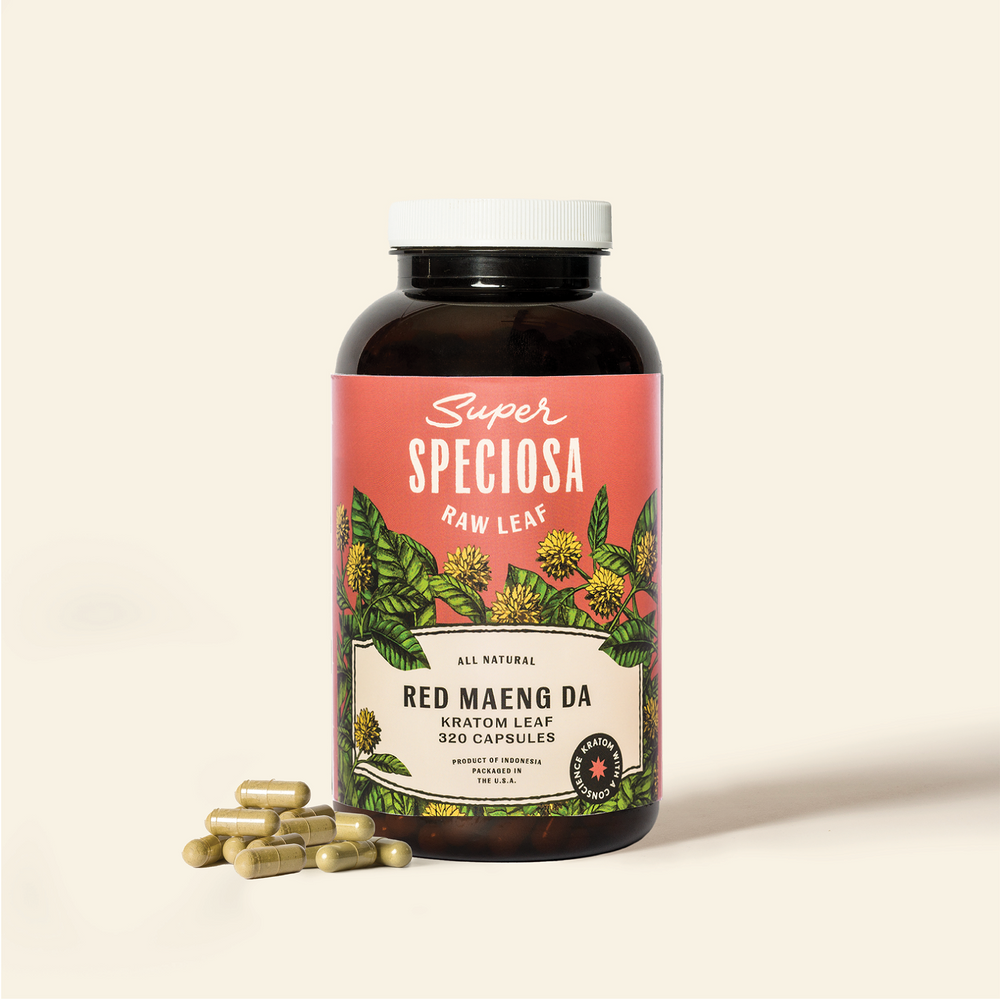
Popular strains: Red Bali, Red Maeng Da, Red Borneo.
-
Commonly reported characteristics: Relaxing, mellow, and typically chosen for evening use or at the end of the day.
-
Context: Many consumers associate red vein kratom with a sense of balance and physical ease, though the experience is personal and depends on many factors.
Green Vein Kratom
Green vein kratom strains are considered by many users to strike a balance between calm and focus. They’re versatile and often chosen for daytime routines when individuals want to stay relaxed but alert.
-
Popular strains: Green Malay, Green Maeng Da, Green Bali.
-
Commonly reported characteristics: Centered, smooth, and adaptable to different settings.
-
Context: Users often describe greens as helping to maintain equilibrium — not sedating, not overstimulating, but somewhere in between.
White Vein Kratom
White vein kratom is frequently associated with energy and motivation, and some users prefer it for its bright, uplifting profile.
-
Popular strains: White Maeng Da, White Borneo, White Thai.
-
Commonly reported characteristics: Invigorating, focus-supporting, and best suited for mornings or productive days.
-
Context: While not typically the go-to for relaxation, whites are valued by those who want a more active, alert feeling without excess tension.
Blends and Specialty Strains
Some brands, including Super Speciosa, offer blended or specialty strains that combine multiple vein colors to balance their natural alkaloid profiles.
-
Examples: Maeng Da blends, Red-Green hybrids, or Balanced formulas.
-
Purpose: Provide a more rounded experience by merging soothing and energizing elements.
-
Context: These blends can be a good entry point for users exploring how different kratom varieties interact with their individual body chemistry.
Choosing Mindfully
There’s no single “best kratom for pain.” The “best” strain depends on the person, their goals, and how their body responds. Many users experiment with small servings of different strains to discover what feels most comfortable and consistent for them.
Always choose lab-tested, transparent, and reputable brands to ensure purity and accurate labeling, a key value that Super Speciosa stands behind with every product.
How to Choose the Best Kratom for You
Choosing a kratom variety often comes down to personal preference, lifestyle, and how individuals describe their own experiences. The key is to approach kratom with curiosity, mindfulness, and a focus on quality.
Here are some guidelines to help you choose wisely:
1. Start with Trusted, Lab-Tested Products
Purity and transparency matter. Always choose kratom from companies that provide third-party lab testing and full ingredient disclosure. Super Speciosa, for example, tests every batch for identity, purity, and contaminants, so you know exactly what’s in your product.
2. Begin with a Small Serving
If you’re new to kratom, it’s smart to start small and observe how you feel before adjusting your serving size. Everyone processes kratom differently based on metabolism, diet, and tolerance. Keeping a journal can help track your experience over time.
3. Explore Strain Variety
Each kratom strain offers a different balance of natural alkaloids.
-
Red veins are often described as relaxing.
-
Green veins feel balanced and versatile.
-
White veins are more energizing.
Try sampling different strains in small amounts to find the one that aligns best with your wellness goals and daily rhythm.
4. Consider the Format That Fits Your Lifestyle
Kratom comes in several forms — powder, capsules, tea, gummies, and extracts.
-
Kratom Powder offers flexibility in preparation.
-
Kratom Capsules provide precision and convenience.
-
Kratom Tea is ritualistic and soothing.
-
Kratom Gummies and Kratom extracts deliver flavor and potency in ready-to-use formats.
Choosing a format that fits your daily routine can make your experience more consistent and enjoyable.
5. Listen to Your Body
The best guide is always your own body. Notice how you feel before and after using kratom, and avoid chasing intensity. The goal is balance, not excess. Taking breaks and staying hydrated can help maintain a positive, sustainable relationship with kratom.
Factors That Influence Your Kratom Experience
Many first-time users are surprised by how much context and personal variables affect their kratom experience. Understanding these factors helps set realistic expectations and supports a mindful approach.
1. Strain and Vein Color
Different strains naturally contain varying alkaloid ratios. Red, green, and white vein kratom can each feel distinct depending on where and how they were grown. Origin, soil type, and harvest timing can also influence potency and character.
2. Serving Size
Smaller servings are often described as more stimulating or uplifting, while larger servings may feel more calming or centering. It’s always best to start low and adjust slowly until you find your ideal range.
3. Food and Hydration
Taking kratom on an empty stomach may lead to faster onset, while taking it after eating can result in a smoother, slower experience. Staying hydrated supports comfort and consistency.
4. Tolerance and Frequency
Like many botanicals, using kratom too frequently can lead to diminished effects over time. Rotating strains or taking rest days allows your body to reset and keeps your experience balanced.
5. Time of Day and Environment
Some people prefer red strains in the evening for relaxation, greens during the day for focus, and whites in the morning for motivation. The environment you’re in, calm, social, or active, can also influence how you perceive the experience.
6. Individual Body Chemistry
Genetics, metabolism, sleep quality, and even stress levels can all shape how kratom interacts with your body. That’s why no two experiences are exactly alike, and why experimentation, within safe and responsible limits, is essential.
Safety and Responsible Use
When exploring kratom as part of your wellness routine, it’s essential to approach it with mindfulness and moderation. While kratom has been used traditionally in Southeast Asia for generations, its use in the U.S. is still relatively new, and research is ongoing to better understand its full profile and potential.
Here are a few important guidelines to help ensure a safe and positive experience:
1. Choose Quality and Transparency
Always buy kratom from trusted, lab-tested brands that publish test results for purity, potency, and contaminants. Super Speciosa conducts third-party testing on every batch to ensure product safety, consistency, and authenticity.
2. Use Moderation and Self-Awareness
More isn’t always better. Start with a conservative serving size and give your body time to respond before adjusting. Taking kratom mindfully, and allowing rest days, supports a more balanced, long-term relationship with the plant.
3. Avoid Mixing with Other Substances
Kratom should not be combined with alcohol, prescription medications, or other herbal supplements without consulting a qualified professional. Combining substances can increase the risk of unwanted interactions or side effects.
4. Stay Hydrated and Nourished
Proper hydration and nutrition can improve overall comfort and consistency when using kratom. Dehydration may amplify feelings of fatigue or imbalance.
5. Know When to Take a Break
Like any botanical, regular use can affect tolerance. Taking short breaks, often called “kratom holidays”, helps reset your system and maintain effectiveness without dependency.
Super Speciosa advocates for informed, responsible consumption above all else. Kratom is not a cure or treatment for any condition, and individuals interested in its use should do their research, consult a healthcare provider if needed, and always prioritize safety.
Finding What Works for You
When it comes to finding the best kratom for discomfort, the truth is that there’s no single strain or formula that works for everyone. What users describe as beneficial for discomfort often depends on many factors, from personal body chemistry to lifestyle and strain choice.
The key is to approach kratom like any wellness journey: with patience, curiosity, and attention to quality. Start small, keep notes on how different strains feel, and give your body time to adjust. Over time, you’ll gain insight into what feels right for you, whether it’s a calming red vein in the evening, a balanced green strain during the day, or something entirely unique to your own rhythm.
At Super Speciosa, our mission is to empower you with knowledge, transparency, and trusted quality. Every product we offer, from powders and capsules to teas and gummies, is lab-tested, pure, and backed by integrity.
If you’re ready to explore responsibly, start with high-quality kratom from a transparent source and continue learning through trustworthy, educational resources. Your wellness path should always be informed, personal, and authentic.
Because finding balance isn’t about following a trend, it’s about listening to your body, making thoughtful choices, and choosing quality you can believe in.
Disclaimer: These statements have not been evaluated by the Food and Drug Administration. This product is not intended to diagnose, treat, cure, or prevent any disease.