Kratom and Energy Drinks: Are Kratom Energy Drinks Safe?
KRATOM AND ENERGY DRINKS: ARE KRATOM ENERGY DRINKS SAFE?

Kratom energy drinks have started showing up in online searches, convenience stores, and social media conversations. As interest in functional beverages continues to grow, more people are asking whether combining kratom with an energy drink is a smart or safe choice.
This topic can be confusing, especially since kratom energy drinks are often marketed as convenient or fast-acting. At the same time, many established kratom brands do not offer these products at all. That difference alone raises important questions about formulation, transparency, and consumer control.
This article takes an educational approach to kratom energy drinks. The goal is not to promote them, but to explain what they are, why people are curious about them, and why they are generally not recommended compared to more traditional kratom formats. Understanding how these products work and how they differ from powders, capsules, or gummies can help consumers make more informed decisions.
What Is a Kratom Energy Drink?
A kratom energy drink is typically a bottled or canned beverage that combines kratom with ingredients commonly found in energy drinks. These products are usually sold as ready-to-drink options and are often positioned as convenient alternatives to preparing kratom separately.
While formulations vary widely, most kratom energy drinks include some combination of the following:
- Kratom powder or kratom extract
- Caffeine or caffeine-containing ingredients
- Sweeteners, flavoring agents, or preservatives
- Additional stimulants or plant-based compounds
Unlike traditional kratom products, these drinks are pre-mixed and pre-portioned. That means the consumer has limited visibility into how much kratom or caffeine is actually in each serving. In many cases, labels focus more on branding or flavor than on detailed ingredient breakdowns.
It is also important to note that there is no standard definition of what qualifies as a kratom energy drink. One product may contain a small amount of kratom alongside a high level of caffeine, while another may rely more heavily on kratom extracts. This lack of consistency makes comparisons difficult and adds to the uncertainty around these beverages.
Because kratom energy drinks combine multiple active ingredients into a single product, they differ significantly from traditional kratom use. Powders, capsules, and gummies typically allow individuals to understand exactly what they are consuming, without additional stimulants layered in by default.
Why Do Some People Mix Kratom and Energy Drinks?
Interest in combining kratom and energy drinks usually comes from convenience and perception rather than long-standing tradition. Energy drinks are widely available, familiar, and marketed around alertness and productivity. When kratom entered broader mainstream awareness, some consumers began experimenting with pairing the two.
Common reasons people look into kratom energy drinks include:
- A desire for a fast, ready-to-drink option
- Curiosity about combining plant-based products with caffeine
- Marketing that frames these beverages as “all-in-one” solutions
- Misunderstandings about how kratom works on its own
In many cases, the appeal has more to do with packaging and positioning than with function. A canned beverage feels simple and modern, especially compared to measuring powder or swallowing capsules. For newer users, this can create the impression that kratom energy drinks are a beginner-friendly option.
However, convenience does not always translate to better decision-making. Mixing kratom into an energy drink removes an important element of personal choice. Instead of deciding whether or not to pair kratom with caffeine, the decision is already made by the product itself. That lack of flexibility is one of the main reasons many experienced kratom consumers avoid pre-mixed beverages altogether.
Understanding Kratom and Caffeine Together
Kratom and caffeine are often discussed together because both are commonly associated with energy-related routines. Despite that overlap, they are very different substances with different characteristics, and they are typically used in different ways.
Caffeine is a widely consumed stimulant found in coffee, tea, and energy drinks. Its effects are generally familiar to most adults, which can create a false sense of predictability when it is combined with other ingredients.
Kratom, on the other hand, has traditionally been used on its own and in simple formats. Powdered leaf, capsules, and gummies allow individuals to decide how and when kratom fits into their routine without automatically pairing it with other stimulants.
When kratom is added to an energy drink, several variables are introduced at once:
- The amount of caffeine may already be high
- Additional stimulants may be present beyond caffeine
- Kratom content is often less clearly defined
- Timing and portion control become harder to manage
Because energy drinks are designed to deliver a noticeable effect quickly, combining them with kratom can feel unpredictable from one product to the next. Differences in formulation, ingredient sourcing, and serving size all play a role.
This unpredictability is why many kratom-focused brands avoid combining kratom with caffeine altogether. Keeping kratom separate allows individuals to understand what they are consuming and to make intentional choices based on their own preferences, rather than relying on a fixed blend created by a beverage manufacturer.
Safety Considerations of Kratom Energy Drinks
When evaluating kratom energy drinks, safety concerns tend to center on formulation rather than kratom itself. These products combine multiple ingredients into a single beverage, which can make it difficult for consumers to fully understand what they are taking and in what amounts.
Some of the most common considerations include:
-
Unclear ingredient quantities: Many kratom energy drinks do not clearly disclose how much kratom is included per serving. When kratom is listed as part of a proprietary blend, consumers may not know whether they are consuming a small amount or a concentrated extract.
-
Caffeine stacking: Energy drinks often contain caffeine from multiple sources, such as synthetic caffeine, guarana, or green tea extract. When kratom is added on top of these ingredients, it creates a layered product with multiple active components.
-
Reduced control over timing and portions: With powders, capsules, or gummies, individuals can decide how much kratom to use and when to use it. Pre-mixed kratom energy drinks remove that flexibility and encourage consumption as a single, fixed serving.
- Variability between products: There is no standard formula for kratom energy drinks. One brand may contain significantly different ingredients or concentrations than another, even if the packaging looks similar.
Because of these factors, kratom energy drinks tend to offer less transparency and less user control than traditional kratom formats. For many consumers, that uncertainty is reason enough to approach these products with caution or avoid them altogether.
Why Kratom Energy Drinks Are Generally Not Recommended
Kratom energy drinks are often marketed around convenience, but convenience is not always aligned with responsible use. Many established kratom brands choose not to sell kratom energy drinks because combining kratom with high-caffeine beverages introduces unnecessary complexity.
One of the main issues is that energy drinks are already designed to deliver a strong sensory and stimulant experience. Adding kratom into that same delivery system does not improve clarity or consistency. Instead, it makes it harder for consumers to understand how each ingredient contributes to the overall experience.
There are also practical reasons why kratom energy drinks are less appealing than they may seem:
- Energy drinks often contain high levels of sugar or artificial sweeteners
- Flavoring and carbonation can mask ingredient quality
- Beverage formats encourage faster consumption
- Labels may prioritize marketing over education
In contrast, traditional kratom formats allow kratom to stand on its own. Powders, capsules, and gummies are simpler by design. They focus on ingredient transparency rather than stimulation, which aligns more closely with how kratom has historically been used.
For these reasons, kratom energy drinks are generally not recommended by brands that prioritize quality, consistency, and consumer education. Choosing simpler formats allows individuals to make more informed and intentional decisions without relying on heavily engineered beverage products.
Safer Alternatives to Kratom Energy Drinks
For individuals interested in kratom but hesitant about mixing it with energy drinks, there are several alternatives that offer more clarity and control. These options focus on simplicity rather than stimulation and avoid combining kratom with caffeine or other energy drink ingredients by default.
Traditional kratom formats are designed to let consumers decide how kratom fits into their routine, instead of only locking them into an energy drink beverage.
Common alternatives for kratom energy drinks are:
- Kratom Liquids or Kratom Shots - One of the easiest transitions from energy drinks are kratom shots or liquid kratom products.
-
Kratom Powder - Powder allows for full transparency. Consumers can see exactly what they are using and prepare it in a way that works best for them, without added stimulants or sweeteners.
-
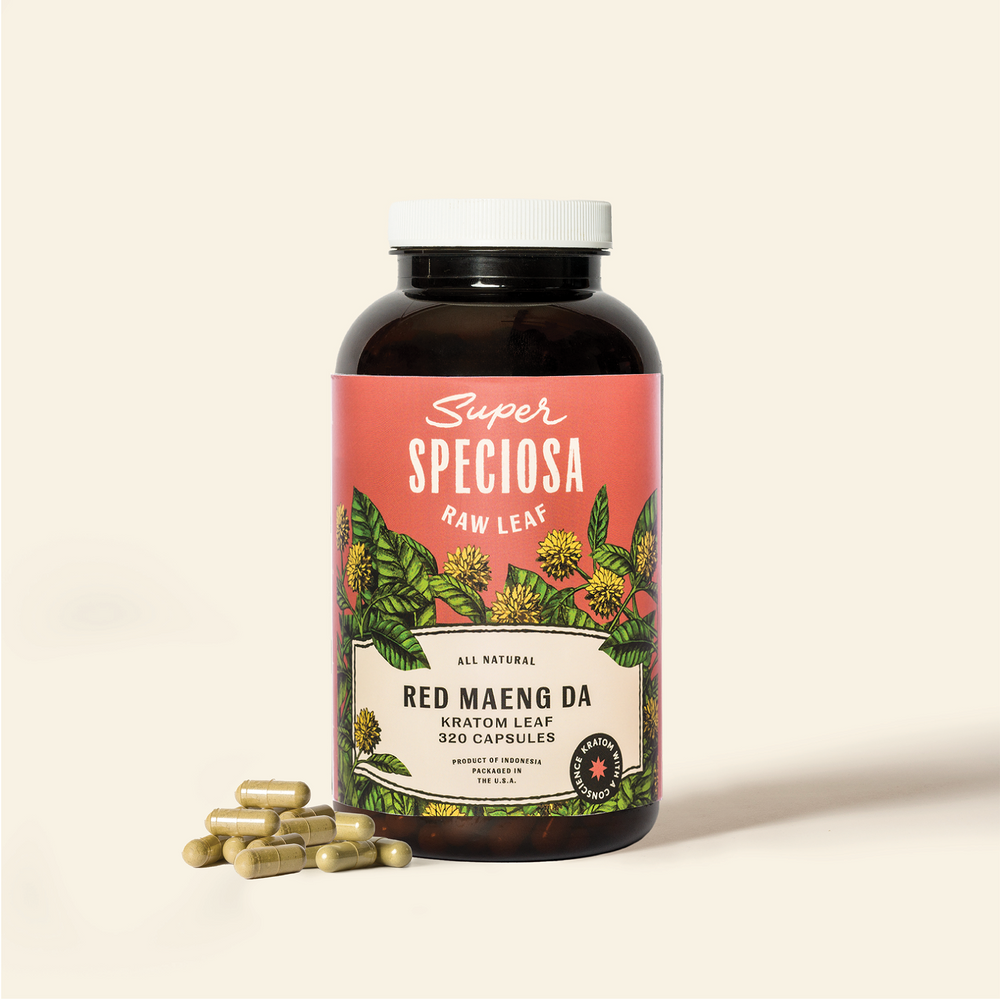
Kratom Capsules - Capsules offer a measured, straightforward option for those who prefer consistency and convenience without relying on flavored beverages.
- Kratom Gummies - Gummies provide a non-liquid option that avoids caffeine entirely and eliminates the need to mix kratom into drinks.
Each of these formats keeps kratom separate from energy drinks and other stimulant-heavy products. That separation makes it easier to understand how kratom is being used and avoids the layered formulations found in many kratom energy drinks.
Choosing simpler formats also supports better ingredient awareness. Instead of consuming a beverage with a long list of additives, individuals can focus on kratom itself and make decisions based on personal preference rather than marketing trends.
How to Think About Energy and Kratom Responsibly
Energy-focused routines can look very different from one person to another. Some people rely on coffee or tea, while others prefer structured schedules, hydration, or nutrition-focused habits. When kratom enters the conversation, it is important to think about energy intentionally rather than automatically combining products.
A responsible approach starts with asking a few basic questions:
- What ingredients am I consuming, and why?
- Do I understand how much of each ingredient is included?
- Am I choosing this product for clarity or convenience?
Kratom does not need to be paired with an energy drink to be used responsibly. In fact, separating kratom from caffeine-heavy beverages often makes it easier to evaluate how each product fits into daily routines. This separation also reduces reliance on pre-formulated blends that offer little room for personalization.
Education and transparency matter more than trends. Products that emphasize simplicity, clear labeling, and single-purpose use tend to align better with informed decision-making. For many consumers, that means avoiding kratom energy drinks and opting for formats that allow greater awareness and flexibility.
Are Kratom Energy Drinks Worth It?
Kratom energy drinks are often marketed as convenient and modern, but convenience does not always equal clarity. These products combine kratom with caffeine and other energy drink ingredients in ways that reduce transparency and limit consumer choice.
For individuals interested in kratom, simpler formats tend to offer a more straightforward experience. Powders, capsules, and gummies allow kratom to stand on its own, without being bundled into stimulant-heavy beverages. This separation makes it easier to understand what is being consumed and why.
Education matters more than trends. By focusing on ingredient awareness and intentional use, consumers can make decisions that align with their preferences rather than relying on pre-mixed products with unclear formulations. For that reason, kratom energy drinks are generally viewed as less practical than traditional kratom options that emphasize simplicity and transparency.
Frequently Asked Questions About Kratom Energy Drinks
Are kratom energy drinks the same as kratom powder?
No. Kratom energy drinks are pre-mixed beverages that combine kratom with ingredients commonly found in energy drinks, such as caffeine and sweeteners. Kratom powder is a standalone format that contains only kratom leaf, without additional stimulants or beverage additives.
Is kratom naturally caffeinated?
Kratom does not contain caffeine. Any caffeine found in a kratom energy drink comes from added ingredients, not from kratom itself.
Why don’t most kratom brands sell energy drinks?
Many kratom brands focus on ingredient transparency and consumer control. Energy drink formats make it harder to clearly communicate kratom content and remove the ability for individuals to decide whether they want to combine kratom with caffeine.
Can kratom be mixed with coffee or energy drinks?
Some people choose to mix kratom with caffeinated beverages, but this is a personal choice rather than a standard practice. Many consumers prefer to keep kratom separate from caffeine so they can better understand how each fits into their routine.
What is the simplest way to use kratom?
Traditional formats like powder, capsules, and gummies are considered simpler because they focus on kratom alone. These options avoid the added ingredients and fixed formulations found in kratom energy drinks.